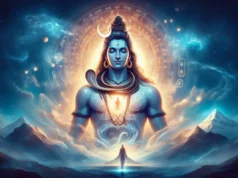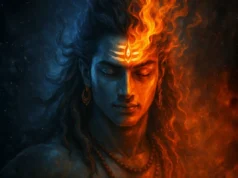

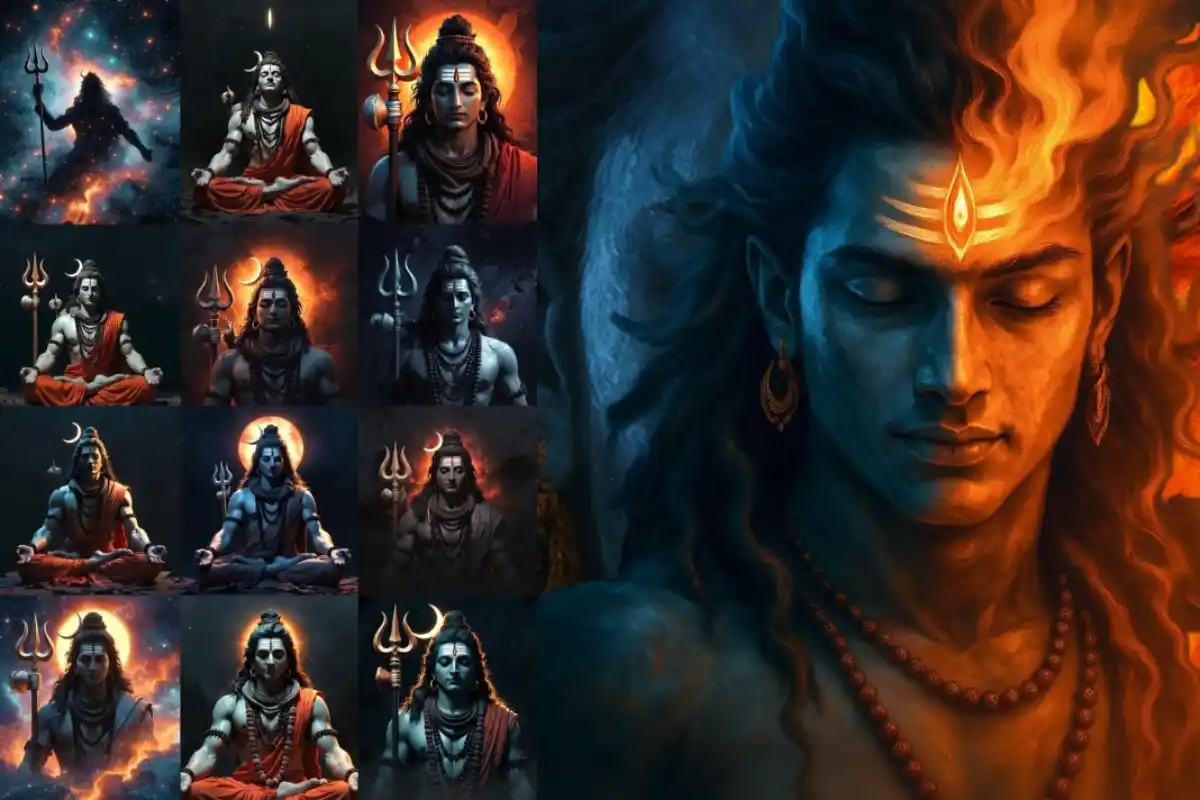

In the vast rhythm of cosmic creation and dissolution, the sacred sound of devotion becomes the bridge to supreme consciousness. For countless generations, sages and devotees have approached Lord Shiva through divine hymns called Shiva Stotrams—chants that combine poetry, philosophy, and spiritual power.
These Shiva Stotrams are not mere verses but vibrations of consciousness, designed to purify the mind and awaken inner awareness.
This article presents the definitive guide to twelve renowned Shiva Stotrams, exploring their origins, structure, and benefits—a blueprint for deep spiritual connection.
The MahakalTimes Blueprint for Every Stotram Article
Each Stotram featured on MahakalTimes follows one unified framework for authenticity and depth:
- Meaning of the Stotram: concise background, author, and purpose.
- Original Sanskrit Verses: accurate Devanagari text for recitation.
- Verse-by-Verse Meaning: accessible translation of each verse.
- Verse Significance: inner philosophical interpretation.
- Overall Essence: unified message and insight.
- Benefits of Chanting: spiritual, mental, and emotional impact.
- FAQ Section: clear answers to common queries.
This ensures each hymn becomes both a learning resource and a meditative experience.
The 12 Core Shiva Stotrams — Keys to Divine Realization
Below are twelve essential hymns that represent distinct facets of Lord Shiva’s nature.
1. Shiv Shadakshar Stotram — The Sixfold Mantra
Attributed to Adi Shankaracharya, it glorifies each syllable of Om Namah Shivaya, revealing the six aspects of divine energy.
2. Shiva Panchakshar Stotram — Five Syllables of Power
Also by Adi Shankaracharya, this hymn is regarded to have been composed by the philosopher and theologian Adi Shankara. Each verse praises one letter ( Na-Ma-Shi-Va-Ya ), connecting it to a cosmic attribute of Shiva.
→ Explore: Shiva Panchakshar Stotram — Full Meaning
3. Shiva Mahimna Stotram — Hymn of Infinite Glory
Composed by the Gandharva Pushpadanta, this stotram is revered as one of the oldest Shaiva hymns, extolling Shiva’s boundless greatness.
4. Shiva Kavach Stotram — The Divine Armor
A protective chant invoking Shiva’s names to form a spiritual shield against negativity, with its origin often attributed to a revelation to Sage Yajnavalkya or as part of the Skanda Purana.
→ Shiva Kavach Stotram — Protection and Power
5. Mahamrityunjaya Stotram — Conqueror of Death
This hymn is a verse (ṛc) of the Rig Veda (RV 7.59.12), often also recurring in the Yajurveda. It seeks freedom from fear, illness, and mortality.
→ Mahamrityunjaya Stotram — Meaning & Benefits
6. Shiva Tandava Stotram — Dance of Cosmic Energy
This vigorous hymn is traditionally attributed to Ravana, the ruler of Lanka and a great devotee of Shiva. It depicts Shiva’s dynamic Tandava, symbolizing creation and destruction.
→ Shiva Tandava Stotram — Power & Passion
7. Ashutosh Shashank Shekhar Stotram — The Moon-Crowned Lord
A devotional ode describing Shiva as the easily-pleased (Ashutosh) and moon-adorned (Shashank Shekhar), found in traditional hymn collections.
8. Daridrya Dukha Dahan Stotram — Destroyer of Suffering
This powerful hymn is consistently attributed to Rishi Vasistha. It requests Shiva’s grace to dissolve poverty and sorrow.
→ Daridrya Dukha Dahan Stotram — Meaning & Benefits
9. Adiyogi Stotram — The First Yogi
A modern hymn venerating Shiva as the Adiyogi, the primordial source of yoga and wisdom, as per yogic traditions.
10. Uma Maheshwar Stotram — Union of Shiva and Shakti
By Adi Shankaracharya, this hymn honors the divine couple as one consciousness manifesting dual energies.
11. Shiva Raksha Stotram — Prayer of Protection
This hymn is generally attributed to Sage Yajnavalkya, who composed it after receiving a divine revelation in a dream.
→ Shiva Raksha Stotram — Protective Chant
12. Shiva Manas Puja Stotram — Worship of the Mind
A philosophical hymn by Adi Shankaracharya where worship is performed mentally, symbolizing inner surrender.
The Universal Benefits of Chanting Shiva Stotrams
- Mental Peace: Regular recitation stabilizes the mind and reduces anxiety.
- Spiritual Connection: Strengthens inner devotion and intuitive awareness.
- Removal of Obstacles: Invokes Shiva’s grace to clear karmic barriers.
- Moral Purification: Encourages compassion, truth, and discipline.
- Energy Alignment: Resonates with the five elements, restoring balance.
The ocean of Shiva Stotrams is endless — each verse a wave of divine vibration. Chanting these sacred Shiva Stotrams is not only an act of worship but also a journey of inner transformation.
Choose the hymn that resonates with your soul, follow our verse-by-verse guides, and experience the living presence of Mahadev. For seekers who wish to understand their ancient origins and scriptural context, here’s a comprehensive reference on the source and evolution of Shiva Stotrams that traces their mention across classical Sanskrit literature.
Frequently Asked Questions
1: What is the difference between a mantra and a stotram?
A mantra is a focused sound formula used for meditation, while a stotram is an extended poetic hymn describing divine qualities and stories.
2: Can anyone chant these Shiva stotrams?
Yes. Stotrams are open to everyone regardless of initiation. Correct pronunciation enhances the effect, but devotion is the true key.
3: Which Shiva stotram is considered most powerful?
Each serves a different purpose. For healing — Mahamrityunjaya Stotram; for vigor — Shiva Tandava Stotram; for protection — Shiva Kavach Stotram.
4: When is the best time to chant Shiva stotrams?
The Brahma Muhurta (early dawn) and Pradosha Kaal (twilight) are traditionally ideal.
5: Are these stotrams mentioned in authentic scriptures?
Yes. Most appear in the Vedas, Puranas, or Adi Shankaracharya’s collected works. For deeper study, you can explore this detailed explanation of Shiva Stotra sources and commentaries, which outlines their placement within the Purāṇic tradition and philosophical background.
Explore the 12 Divine Shiva Stotrams
Each Shiva Stotram is not just a hymn — it is a vibration of divine energy.
From the sacred syllables of Om Namah Shivaya to the cosmic rhythm of Tandava, these hymns lead devotees toward peace, devotion, and liberation.
Together, these form the 12 Shiva Stotrams Series, a sacred collection guiding devotees toward the essence of Mahadev’s energy and compassion.