


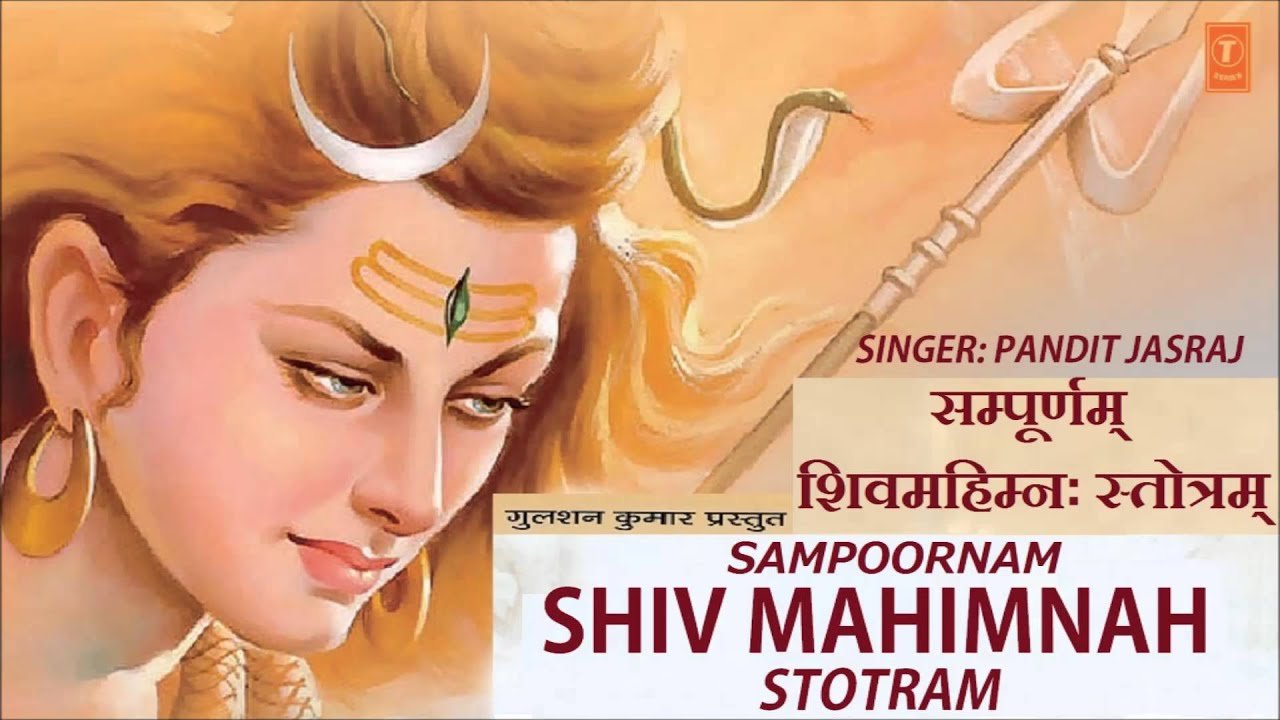
The Shiva Mahimna Stotram is a revered Sanskrit hymn dedicated to Lord Shiva, celebrated for its deep spiritual and poetic beauty. According to ancient tradition, this sacred Shiva Mahimna Stotram was composed by the celestial Gandharva musician Pushpadanta, who expressed his devotion through divine verses of praise. The hymn beautifully lists Lord Shiva’s various achievements, attributes, and cosmic qualities that inspire reverence among devotees.
Widely known and deeply cherished throughout India, the Shiva Mahimna Stotram holds immense cultural, philosophical, and spiritual significance. Its enduring popularity through the ages speaks volumes about its timeless relevance and profound impact on seekers of truth and devotion. This guide explores the beauty, symbolism, and spiritual benefits of reciting the Shiva Mahimna Stotram, helping devotees understand its deeper meanings and divine message.
What is the Shiva Mahimna Stotram?
The Shiva Mahimna Stotram, literally meaning “Hymn about the greatness of Shiva,” is a poetic composition extolling the greatness, glory, and omnipotence of Lord Shiva. It is considered one of the best among all Stotras (or Stutis) offered to Lord Shiva. The hymn emphasizes the supreme power and authority of Lord Shiva over the cosmos, highlighting his compassionate nature and readiness to forgive, and describing him as beyond all dualities and forms, embodying the ultimate reality. This stotram consists of 43 verses, each filled with profound devotion and philosophical insights, beautifully portraying different facets of Lord Shiva – His divine attributes, His cosmic deeds, and the rich symbolism associated with Him. It’s a lyrical journey into the heart of devotion, expressing profound admiration and surrender to the divine.
The Legend Behind the Stotram’s Composition
The composition of the Shiva Mahimna Stotram is rooted in a fascinating legend involving Pushpadanta, the chief of the Gandharvas. Pushpadanta was a Gandharva, a celestial musician in the court of Indra, and a devotee of Lord Shiva. He also possessed the divine power to remain invisible to humans. King Chitraratha, a pious devotee of Lord Shiva, maintained a beautiful garden filled with exquisite flowers which he used daily for Shiva worship. Pushpadanta, fascinated by these flowers, began to steal them to offer to his own adored deity, Shiva. Consequently, King Chitraratha found his garden depleted and could not offer fresh flowers for his daily worship.
Frustrated by his inability to catch the invisible thief, the king devised a plan. He spread Shiva’s Nirmalya (sacred offerings like bilva leaves and flowers that have already been offered to Shiva) in his garden. Shiva Nirmalya is considered holy, pure, and pious. Stepping on it is deemed a sacrilege and can incur the wrath of Lord Shiva. The next day, Pushpadanta, unknowingly walking on the Shiva Nirmalya while stealing flowers, incurred Lord Shiva’s wrath and instantly lost his divine power of invisibility.
Realizing his grave error and seeking forgiveness, Pushpadanta composed this magnificent hymn, praising the boundless glory and greatness of Lord Shiva. The penitent Gandharva, who himself was a great devotee of the great Lord, composed a great prayer in chaste and lyrical Sanskrit and offered that to the Lord. Shiva, pleased by this heartfelt stotram, not only forgave Pushpadanta but also restored his divine powers. He further declared that this stotram would be known as his great hymn, and infinite blessings would be showered upon whoever recites it with reverence, granting them Shivaloka (Shiva’s abode) in the next world. The hymn itself mentions the author’s name in verse number 38, lending credence to this legend.
Shiva Mahimna Stotram: Sanskrit Text (Original Verses)
Here is the complete text of the Shiva Mahimna Stotram, as provided in your initial input:
mahimnaḥ pāraṃ te paramaviduṣo yadyasadṛśī stutir brahmādīnām api tad avasannāstvayi giraḥ।
athāvācyaḥ sarvaḥ svamati pariṇāmāvadhi gṛṇan mamāpyeṣa stotre hara nirapūṇatā mā bhavati॥ 1॥
atitah panthānaṃ tava ca mahimā vāṅmanasayo ratavyāvṛttyā yaṃ cakitam abhidhatte śrutir api।
sa kasya stotavyaḥ katividha guṇaḥ kasya viṣayaḥ pade tvarvācīne patati na manaḥ kasya na vacaḥ॥ 2॥
madhusphītā vācaḥ paramam amṛtaṃ nirmitavat stava brahman kiṃ vāg api suraguror vismayapadam।
mama tvetāṃ vāṇīṃ guṇakathanapuṇyena bhavataḥ punām ity arthe’smin puram athan buddhiḥ vyavasitā॥ 3॥
tavaiścaryaṃ yat taj jagadudaya rakṣā pralayakṛt trayī vastu vyastaṃ tisṛṣu guṇabhinnāsu tanuṣu।
abhavyānām asmin varada ramaṇīyāmaramaṇīṃ vihantuṃ vyākrośīṃ vidadhatiha ike jaḍadhiyaḥ॥ 4॥
kimīhaḥ kiṃ kāya sa khalu kim upāyas tribhuvanaṃ kim ādhāro dhātā sṛjati kim upādāna iti ca।
atarkyaiśvaryaṃ tvayyanavasaradaḥ hatadhiyaḥ kutar ko’sya kāṃścin mukharayati mohāya jagat॥ 5॥
ajanmāno lokāḥ kim avayavvanto’pi jagatā madhiṣṭhātāraṃ kiṃ bhavavidhir anādṛtya bhavati।
anīśo vā kuryād bhuvanajanane kaḥ parikaro yato mandāstvāṃ praty amaravara saṃśerat ime॥ 6॥
trayi sāṅkhyaṃ yogaḥ paśupatim ataṃ vaiṣṇavam iti prabhinne prasthāne param idam adah pathy iti ca।
rucīnām vaicitr yādṛjukutilanāna pathajuṣām nṛṇāmeko gamyaḥ tvam asi payasā mārṇava iva॥ 7॥
mahokṣaḥ khaṭvāṅgaṃ paraśurajinaṃ bhasma phaṇinaḥ kapālaṃ cetīyattava varada tantropakaraṇam।
surāstāṃ tāmṛdhiṃ dadhati ca bhavadbhrūpraṇihitāṃ na hi svātmārāmaṃ viṣayaṃ mṛgatṛṣṇā bhramayati॥ 8॥
dhruvaṃ kaścit sarvaṃ sakalam aparastvadhruvam idaṃ paro dhrauvyādhrauvye jagati gadati vyastaviṣaye।
samaste’py etasmin puram athan tair vismita iva stuvan jihremi tvāṃ na khalu nanu dhṛṣṭā mukharatā॥ 9॥
tavaiścaryaṃ yatnād yad upari viraṃco harir adah paricchettuṃ yātāvan alam anala skandhavapuṣaḥ।
tato bhakti śraddhā bharagurugṛṇadbhyāṃ giriś yat svayam tasthe tābhyāṃ tava kim anuvṛttiḥ na phalati॥ 10॥
ayatanādāpādya tribhuvanam aveiravyatikaraṃ daśāsyā yad bāhūn abhrt raṇakaṇḍūparavaśān।
śiraḥ padmaśreṇīr racita caraṇāmbhoruhabaleḥ sthirāyāstvad bhaktes tripurahara visphūrjitam idam॥ 11॥
amuṣya tvat sevā samadhigata sāraṃ bhujavanaṃ balāt kailāse’pi tvad adhivasatau vikramayat।
alabhyā pāṭāle’py alasacalita āṅguṣṭha śirasi pratiṣṭhā tvayyāsīd dhruvaṃ upacito muh yati khalah॥ 12॥
yadṛddhiṃ sutrāmṇo varada param occair api satī madhaścakre bāṇaḥ parijanavidheyatribhuvanaḥ।
na tac citraṃ tasmin varivasitarī tvacca raṇayo na kasya apy unnatyai bhavati śirasas tvayyavanatiḥ॥ 13॥
akāṇḍa brahmāṇḍakṣaya cakit devāsura kṛpā vidheya syāsīd yastrinayana viṣaṃ saṃhṛtavat।
sa kalmāṣaḥ kaṇṭhe tava na kurute na śriyam aho vikāro’pi ślāghyo bhuvanabhaya bhangavyasaninaḥ॥ 14॥
asiddhārthā naiva kvacid api sad evāsura nare nivartante nityaṃ jagati jayin o yasya viśikhāḥ।
sa paśyann īśa tvāmitarasura sādhāraṇam abhūt smaraḥ smartavyātmā nahi vaśiṣu pathyaḥ paribhavaḥ॥ 15॥
mahī pādāghātād vrajati sahasā saṃśaya padaṃ padaṃ viṣṇor bhrāmyad bhuja parigha ru gṇa graha gaṇam।
muhurdyaur dauḥ sthyaṃ yāti anibhṛta jaṭā tāḍita taṭā jagad rakṣāyai tvaṃ naṭasi nanu vāmaiva vibhutā॥ 16॥
viyad vyāpī tāragaṇaguṇita pheno dgm aruciḥ pravāho vārāṃ yaḥ pṛṣatalaghudṛṣṭaḥ śirasi te।
jagad dvīpākāraṃ jaladhivalayaṃ tena kṛtami tyanenaivonneyaṃ dhṛtamahima divyaṃ tava vapuḥ॥ 17॥
rathaḥ kṣoṇī yantā śatadhṛtir agendro dhanuratho rathāṃge candrārkau rathacaraṇapāṇiḥ śara iti।
didhakṣoste ko’syaṃ tripuratṛṇam āḍambaravidhiḥ vidheyaiḥ krīḍantyo na khalu pratantaraḥ prabhudhiyah॥ 18॥
hariste sāhastraṃ kamalabali mādhāya padayo ryad ekone tasmin nijam udaharan netrakamalam।
gato bhaktyudrekaḥ pariṇatim asau cakravapuṣā trayāṇāṃ rakṣāyai tripurahara jāgarti jagatām॥ 19॥
kṛtau supte jāgrattvam asi phalayoge kratumatāṃ kva karma pradhvas taṃ phalati puruṣārādhanamṛte।
atastvāṃ samprekṣya kratuṣu phaladāna pratibhuvaṃ śrutau śraddhāṃ baddhvā dṛḍhaparikaraḥ karmasu janaḥ॥ 20॥
kriyādakṣo dakṣaḥ kratupatiradhīśastanubhṛtāḥ mṛṣīṇāmārtvijyaṁ śaraṇad sadasyāḥ suragaṇāḥ।
kratubhṛēṣastvattaḥ kratuphalavidhānavyasanino dhruvaṁ kartuḥ śraddhāvidhuramabhicārāya hi mākhāḥ॥ 21॥
prajānāthaṁ nātha prasabhamabhikaṁ svāṁ duhitaraṁ gataṁ rōhidbhūtāṁ riramayiṣumṛṣyasyavapuṣhā।
dhanuṣhpāṇēryātaṁ divamapi sapatrākṛtamamuṁ trasantē tē’dyāpi tyajati na mṛgavyādharaḥ bhasam॥ 22॥
svalāvaṇyāśaṁsādhṛtadhanushmahnāya tṛṇavat puraḥ pluṣhṭaṁ dṛṣṭvā puramathana puṣpāyudhamapi।
yadi straiṇaṁ dēvī yamaniṛatadēhārddhaghananā davait tvām addhā bata varada mugdhā yuvatayaḥ॥ 23॥
śmaśāneṣu ākrīḍā smarahara piśācāḥ sahacarāḥ ścitābhasmalēpaḥ strigapi nṛkarōṭīparikaraḥ।
amaṅgalalyaṃ śīlaṃ tava bhavatu nāmaivamakhilaṃ tathāpi smartṛṇāṃ varada paramaṃ maṅgalamasi॥ 24॥
manaḥ pratyakchitte savidham avadhāyāt tamarutaḥ prahr̥ṣyadromāṇaḥ pramadasalilot saṅgitadṛśaḥ।
yadālokyāhlādaṃ hṛdi iva nimajyāmṛtamaye dadhatyantastattvaṃ kimapi yaminastat kila bhavān॥ 25॥
tvam arkastvaṃ somastvaṃ asi pavanastvaṃ hutavaha tvam āpastvaṃ vyōm tvamu dharani ātmā tvam iti ca।
paricchinnām evam tvayi pariṇatā bibhratu giraṃ na vidmas tattattvaṃ vayam iha tu yat tvam na bhavasi॥ 26॥
trayīṃ tistro vṛttīstṛbhuvanam atho trīnapi surāḥ nakārādyair varṇaiḥ tribhir abhidadhat tīrṇavikr̥ti।
turīyaṃ te dhāma dhvanibhir varundhānamaṇubhiḥ samastaṃ vyastaṃ tvaṃ śaraṇada gṛṇāty omi ti padam॥ 27॥
bhavaḥ śarvo rudraḥ paśupatir athōgraḥ saha mahāṃ tathā bhīmeśānāv iti yadabhidhāna aṣṭakam idam।
amuṣmin pratyēkaṃ praviśarati dēva śrutirapi priyāyāsmai dhāmnē praviḥitanasya asmi’smi bhavate॥ 28॥
namo nēdiṣṭhāya priyadava daviṣṭhāya ca namo namaḥ kṣodishṭhāya smarahara mahiṣṭhāya ca namo।
namo varṣishṭhāya trinayana yavishṭhāya ca namo namaḥ sarvasmai te tadidam iti śarvāya ca namo॥ 29॥
bahularajase viśvōtpattau bhavāya namo namo prabalatamase tatsaṃhāre harāya namo namo।
janasukhakṛtē sattvōdriktau mṛḍāya namo namo pramāhasi padē nistraiguṇye śivāya namo namo॥ 30॥
kṛśapariṇatī cetaḥ kleśavaśyaṃ kva cedam kva ca tava guṇasīmollanghinī śaśvadr̥ddhiḥ।
iti cakitam amandīkṛtya māṃ bhaktir ādhād varada caraṇayōste vākya puṣpōpahāram॥ 31॥
asitagirisaṃam syāt kajjalaṃ sindhupātre surataruvaraśākhā lekhanī patramurvī।
likhati yadi gṛhītvā śāradā sarvakālaṃ tadapi tava guṇānām īśa pāraṃ na yāti॥ 32॥
asurasuramunīndrāir arcitasya endumaule grathita guṇamahimno nirguṇasyēśvarasya।
sakala gaṇavarīṣṭhaḥ puṣpādantābhidhāno rucira malaghurvṛttaiḥ stotram etac cakāra॥ 33॥
ahara haranavadyam dhūrjaṭē stotram etat paṭhati paramabhaktyā śuddhacittaḥ pumān yaḥ।
sa bhavati śivalōkē rudratulyaḥ tathātra pracurataradhana yuḥ putravān kīrtimāṃśca॥ 34॥
maheśānnāparo dēvo mahimno nāparā stutiḥ aghorān nāparo mantro nāsti tattvaṃ gurō param॥ 35॥
dīkṣā dānaṃ tapas tīrthaṃ jñānaṃ yāgādikāḥ kriyāḥ mahimnaḥ stavapāṭhasya kalāṃ nārhanti ṣoḍaśīm॥ 36॥
kusumadaśananāma sarvagandharvarājaḥ śiśuśaśidharamaule dēvadēvasya dāsaḥ।
sa khalu nijamahimno bhraṣṭa ēvā sya roṣāt stavana midam ākārṣīd divyadivyaṃ mahimnaḥ॥ 37॥
suravaramunipūjyaṃ svargamōkṣaikahetuṃ paṭhati yadi manuṣyaḥ prāñjalir nānyacētāḥ।
vrajati śivasamīpaṃ kinnaraiḥ stūyamānaḥ stavana midam amōghaṃ puṣpādantapraṇitam॥ 38॥
āsamāptam idaṃ stotraṃ puṇyaṃ gandharvabhāṣitam।
anaupamyaṃ manōhāri śivamīśvaravarṇanam॥ 39॥
ityēṣā vāḍmayī pūjā śrīmacchaṃkarapādayōḥ ।
arpitā tēna dēvēśaḥ prīyatāṃ mē sadāśivaḥ॥ 40॥
tava tattvaṃ na jānāmi kīdr̥śō’si maheśvara ।
yādṛśō’si mahādeva tādṛśāya namo namo॥ 41॥
ēkakālaṃ dvikālaṃ vā trikālaṃ yaḥ paṭhēnnaraḥ ।
sarvapāpavinirmuktaḥ śivalōkē mahīyate॥ 42॥
śrīpuṣpādantamukha paṅkajanirgaten stotrēṇa kilbiṣaharēṇa harapriyēṇa।
kaṇṭhasthitēna paṭhitēna samāhitēna suprīṇito bhavati bhūtapati rmaheśaḥ॥ 43॥
।। iti gandharvarāja puṣpada nta kṛtaṃ śivamahimnaḥ stotraṃ sampūrṇam ।।
Shiva Mahimna Stotram: Verse-by-Verse Meaning and Significance
Each verse of the Shiva Mahimna Stotram paints a vivid picture of Lord Shiva’s divine qualities and forms.
Verse 1
mahimnaḥ pāraṃ te paramaviduṣo yadyasadṛśī stutir brahmādīnām api tad avasannāstvayi giraḥ।
athāvācyaḥ sarvaḥ svamati pariṇāmāvadhi gṛṇan mamāpyeṣa stotre hara nirapūṇatā mā bhavati॥ 1॥
- Meaning: “O Shiva, the remover of all sufferings, I am ignorant of your infinite glories. If my hymn is improper, then even the hymns sung by Brahma and other knowledgeable people are also improper because no one has completely fathomed your glories. If the hymn sung by each one according to one’s limited intellect is permissible, then my effort to compose this hymn is not an exception.”
- Significance: This verse humbly acknowledges the incomprehensible vastness of Shiva’s glory. The composer, Pushpadanta, asserts that since even great deities like Brahma cannot fully comprehend Shiva’s boundless nature, any attempt at praise, including his own, is inherently limited yet acceptable if offered with sincere devotion, according to one’s intellectual capacity. This sets a tone of humility and surrender.
Verse 2
atitah panthānaṃ tava ca mahimā vāṅmanasayo ratavyāvṛttyā yaṃ cakitam abhidhatte śrutir api।
sa kasya stotavyaḥ katividha guṇaḥ kasya viṣayaḥ pade tvarvācīne patati na manaḥ kasya na vacaḥ॥ 2॥
- Meaning: “O Lord, your greatness surpasses all bounds of comprehension. Your path is beyond the words and mind of everyone. Your majesty is such that even the Vedas describe you with trepidation, using phrases like ‘Not this, not this’ (Neti Neti). Who then can truly praise you or define your myriad qualities? Yet, the mind and words can easily describe your assumed (Saguna) form. I am not deluded by this, O Shiva, for this is the greatness of your divine play.”
- Significance: This verse emphasizes Shiva’s transcendental nature, asserting that his true glory is beyond human intellect, speech, and comprehension, as even the Vedas struggle to define him directly. It highlights the contrast between his ultimate formless (Nirguna) reality and his manifest forms (Saguna) which can be conceived and worshipped.
Verse 3
madhusphītā vācaḥ paramam amṛtaṃ nirmitavat stava brahman kiṃ vāg api suraguror vismayapadam।
mama tvetāṃ vāṇīṃ guṇakathanapuṇyena bhavataḥ punām ity arthe’smin puram athan buddhiḥ vyavasitā॥ 3॥
- Meaning: “O Lord Shiva! You are the creator of the nectar-like Vedas. Can the speech of even Brihaspati, the teacher of the Devas, amaze you? O destroyer of the three cities, the thought that by praising Your glories I shall purify my speech has prompted me to undertake this work. Even if the praises of Brahma and other deities cannot reach your greatness, then what can be said of an ignorant person like me? Whatever words I use to praise you, let them be as they are, O Shiva. You are beyond words and comprehension, and I pray that my lack of skill in composing this hymn does not become an obstacle.”
- Significance: This verse reiterates the theme of Shiva’s supreme position as the creator of the Vedas themselves, making even the eloquence of Brihaspati (the guru of gods) insignificant before him. The composer’s motivation is revealed as a desire for self-purification through the act of praising Shiva, rather than an illusion of being able to fully describe his greatness.
Verse 4
tavaiścaryaṃ yat taj jagadudaya rakṣā pralayakṛt trayī vastu vyastaṃ tisṛṣu guṇabhinnāsu tanuṣu।
abhavyānām asmin varada ramaṇīyāmaramaṇīṃ vihantuṃ vyākrośīṃ vidadhatiha ike jaḍadhiyaḥ॥ 4॥
- Meaning: “O Giver of boons! Some stupid people produce arguments—pleasing to the ignorant but in fact hateful—to refute Your Divinity, which creates, preserves and destroys the world, which is divided into three bodies (Brahma, Vishnu and Shiva) according to the three gunas, and which is described in the three Vedas. Even those whose minds are engrossed in worldly affairs and whose words describe the mundane, when they fall at your feet, they become free from all distress. Those who attain your blessings, O Shiva, can bear the victories and defeats of life with equanimity. Your divine play and characteristics are beyond anyone’s comprehension.”
- Significance: This verse addresses skepticism and highlights Shiva’s role in the cosmic functions of creation, preservation, and destruction, which are described in the Vedas and attributed to the Trinity according to the three gunas. It further emphasizes that his grace can liberate even the worldly-minded from suffering, and his divine acts are beyond ordinary understanding.
Verse 5
kimīhaḥ kiṃ kāya sa khalu kim upāyas tribhuvanaṃ kim ādhāro dhātā sṛjati kim upādāna iti ca।
atarkyaiśvaryaṃ tvayyanavasaradaḥ hatadhiyaḥ kutar ko’sya kāṃścin mukharayati mohāya jagat॥ 5॥
- Meaning: “O Shiva (Brahman), You and Your Power are beyond the realm of logic. Even though it is impossible and inappropriate, a few people apply their polluted logic regarding You and Your Power by asking questions, like, ‘What was the creator’s desire to create this world? By which body, material, tools, and support the creator created this universe?’ Thus, they make themselves verbose to delude the world. Everyone praises you to the best of their intellectual capacity, and I am doing the same in this hymn. Even if my words do not fully capture your greatness, O Shiva, do not let my lack of skill detract from the value of my devotion. Your greatness is infinite and surpasses all comprehension.”
- Significance: This verse cautions against futile intellectual arguments about the divine, asserting that Shiva and his power (Maya) are beyond the limits of human logic, time, space, and causation. It reaffirms that true understanding comes not from intellectual debate but from sincere spiritual practice and devotion, which eventually resolves all doubts and leads to the knowledge of Reality.
Verse 6
ajanmāno lokāḥ kim avayavvanto’pi jagatā madhiṣṭhātāraṃ kiṃ bhavavidhir anādṛtya bhavati।
anīśo vā kuryād bhuvanajanane kaḥ parikaro yato mandāstvāṃ praty amaravara saṃśerat ime॥ 6॥
- Meaning: “O Supreme Lord! Can the universe made up of various parts be without birth or origin? Can creation happen without the creator? Without the Lord who else even attempts to create the world? Therefore, the people who doubt your existence are really dull-minded. This world with several parts can never be told as not created, and creation cannot happen without a creator. Who else but God can initiate the creation of the worlds? It is foolish to think that everything happens by chance or accident.”
- Significance: This verse logically refutes the idea of a universe without a creator, using rhetorical questions to highlight the absurdity of doubting Shiva’s role as the ultimate creator and sustainer. It emphasizes that the precision and order in the cosmos necessitate a divine intelligence, and those who deny it are considered lacking in wisdom.
Verse 7
trayi sāṅkhyaṃ yogaḥ paśupatim ataṃ vaiṣṇavam iti prabhinne prasthāne param idam adah pathy iti ca।
rucīnām vaicitr yādṛjukutilanāna pathajuṣām nṛṇāmeko gamyaḥ tvam asi payasā mārṇava iva॥ 7॥
- Meaning: “The three Vedas, Sankhya, Yoga, the Shaivite sect (Pashupati Matam), and the Vaishnava doctrines, and others have described several paths to realize God. People follow different paths, straight or crooked, considering one best or most appropriate for their temperament, but all paths lead to You, just as different rivers flow into the same ocean. O father, where is the end of your benevolence? By some means, you ensure that everything turns out well for your devotees. O great soul, Shambhu, I bow to your mercy and compassion.”
- Significance: This is a profoundly inclusive verse, asserting the unity of various spiritual paths. It beautifully uses the analogy of rivers flowing into the ocean to convey that despite diverse doctrines and practices, all sincere devotees ultimately reach the same divine reality, which is Shiva. It underscores Shiva’s boundless benevolence that accommodates all sincere seekers.
Verse 8
mahokṣaḥ khaṭvāṅgaṃ paraśurajinaṃ bhasma phaṇinaḥ kapālaṃ cetīyattava varada tantropakaraṇam।
surāstāṃ tāmṛdhiṃ dadhati ca bhavadbhrūpraṇihitāṃ na hi svātmārāmaṃ viṣayaṃ mṛgatṛṣṇā bhramayati॥ 8॥
- Meaning: “O Giver of Boons! A great bull (Nandi), a staff with a skull (Khatvanga), an axe, a tiger skin, ashes, snakes, and a skull in your hand—this is your simple tantric equipment. Yet, the Devas (gods) attain such great wealth just by the movement of your eyebrows. This shows that the Lord who rejoices in the Self (Atman) is never tempted by the mirage of worldly pleasures. His acceptance of a simple, ascetic life is a demonstration of detachment.”
- Significance: This verse beautifully contrasts Shiva’s supreme power with his ascetic lifestyle. His simple possessions (the Vibhuti, snakes, skull) signify his detachment from material wealth and his embodiment of renunciation. The verse implies that the one who is self-satisfied (Svaatma-raama) controls all the wealth of the universe through a mere glance, yet is never tempted by it.
Verse 9
dhruvaṃ kaścit sarvaṃ sakalam aparastvadhruvam idaṃ paro dhrauvyādhrauvye jagati gadati vyastaviṣaye।
samaste’py etasmin puram athan tair vismita iva stuvan jihremi tvāṃ na khalu nanu dhṛṣṭā mukharatā॥ 9॥
- Meaning: “O Destroyer of the three cities! Regarding this contradictory universe, some people say that everything is permanent, others say everything is transient, and still others say that some things are permanent while others are transient. I am astonished by all these conflicting doctrines and am ashamed to praise you, yet my bold eloquence does not stop. The existence of conflicting philosophies about the nature of the world proves that Shiva is the substratum (आधार) beyond all these intellectual debates.”
- Significance: This verse addresses the conflicting philosophical views regarding the permanence and transience of the world. The composer expresses his awe and intellectual humility before Shiva, whose reality transcends all dualistic human logic and academic debates.
Verse 10
tavaiścaryaṃ yatnād yad upari viraṃco harir adah paricchettuṃ yātāvan alam anala skandhavapuṣaḥ।
tato bhakti śraddhā bharagurugṛṇadbhyāṃ giriś yat svayam tasthe tābhyāṃ tava kim anuvṛttiḥ na phalati॥ 10॥
- Meaning: “O Lord of the Mountain! When Brahma and Vishnu, with great effort, tried to find the beginning and end of your body—which had taken the form of a boundless column of fire (Linga)—Brahma went upwards and Vishnu went downwards, but failed. But when they praised you with immense devotion and faith, you revealed yourself to them. Does your grace not reward those who seek you with true devotion? This Linga-Purana story highlights that ego fails, but faith prevails.”
- Significance: This refers to the famous Linga-Udbhava legend. It shows that Shiva’s Mahima (glory) cannot be measured by physical or intellectual effort (Brahma’s lie, Vishnu’s effort), but is revealed only through pure devotion (Bhakti) and faith.
Verse 11
ayatanādāpādya tribhuvanam aveiravyatikaraṃ daśāsyā yad bāhūn abhrt raṇakaṇḍūparavaśān।
śiraḥ padmaśreṇīr racita caraṇāmbhoruhabaleḥ sthirāyāstvad bhaktes tripurahara visphūrjitam idam॥ 11॥
- Meaning: “O Destroyer of Tripura! The ten-headed Ravana, who conquered the three worlds effortlessly, possessed hands that constantly craved battle. He offered his heads, one by one, as lotus flowers at your feet during worship. This great power of his, which made him fearless and victorious, was the result of his unwavering devotion (Sthira Bhakti) to you. This illustrates the immense power granted by steadfast devotion.”
- Significance: This verse praises Ravana not for his tyranny, but for his exceptional and steadfast devotion to Shiva, which was the true source of his indomitable power and conquest. The act of offering his own heads is cited as the peak of surrender and devotion.
Verse 12
amuṣya tvat sevā samadhigata sāraṃ bhujavanaṃ balāt kailāse’pi tvad adhivasatau vikramayat।
alabhyā pāṭāle’py alasacalita āṅguṣṭha śirasi pratiṣṭhā tvayyāsīd dhruvaṃ upacito muh yati khalah॥ 12॥
- Meaning: “O Lord! When Ravana, emboldened by the strength gained from serving you, tried to lift Mount Kailash (your abode) with his forest-like arms, you crushed him by merely pressing down with your toe. His body was pressed so hard that he could not find a base even in the netherworld. This shows that one who is puffed up with pride due to prosperity and strength is surely deluded and falls.”
- Significance: This continues the story of Ravana, highlighting the lesson that while devotion grants strength, that strength must be used in humility. Pride, born from power, leads to an immediate, powerful downfall by Shiva’s mere touch.
Verse 13
yadṛddhiṃ sutrāmṇo varada param occair api satī madhaścakre bāṇaḥ parijanavidheyatribhuvanaḥ।
na tac citraṃ tasmin varivasitarī tvacca raṇayo na kasya apy unnatyai bhavati śirasas tvayyavanatiḥ॥ 13॥
- Meaning: “O Giver of Boons! Baana, whose servants governed the three worlds, humiliated Indra (Sutraman), the highest among the gods. This is not surprising, for what devotee who worships your feet does not attain a high position? Bowing one’s head to you certainly leads to the upliftment of anyone.”
- Significance: This verse highlights the devotion of the demon King Baanasura, a great devotee of Shiva. The message is universal: the act of surrendering one’s head (ego) at Shiva’s feet is the guaranteed path to ultimate greatness and elevation.
Verse 14
akāṇḍa brahmāṇḍakṣaya cakit devāsura kṛpā vidheya syāsīd yastrinayana viṣaṃ saṃhṛtavat।
sa kalmāṣaḥ kaṇṭhe tava na kurute na śriyam aho vikāro’pi ślāghyo bhuvanabhaya bhangavyasaninaḥ॥ 14॥
- Meaning: “O Three-Eyed Lord! To protect the gods and demons—who were terrified by the sudden destruction of the universe—you consumed the terrible Halahala poison. The blue stain (Kalmasha) it left on your neck does not diminish your beauty; on the contrary, it enhances it. O Lord who is dedicated to removing the fear of the world, even this blemish (discoloration) is praiseworthy!”
- Significance: This refers to the Neelakantha (Blue-throated) legend. It shows that Shiva’s selfless action to save the world, which resulted in a permanent blemish, is not a flaw but a symbol of his ultimate compassion (Karuna) and the beauty of sacrifice.
Verse 15
asiddhārthā naiva kvacid api sad evāsura nare nivartante nityaṃ jagati jayin o yasya viśikhāḥ।
sa paśyann īśa tvāmitarasura sādhāraṇam abhūt smaraḥ smartavyātmā nahi vaśiṣu pathyaḥ paribhavaḥ॥ 15॥
- Meaning: “O Lord! The arrows of Kama Deva (Smara) are always victorious and never fail to achieve their goal among gods, demons, and humans. But when he saw you as a common deity, he was instantly reduced to ashes by your fiery gaze. Disrespect to the self-controlled (Yogi) is never beneficial.”
- Significance: This verse describes the burning of Kama Deva (Kama-dahana). It emphasizes Shiva as the supreme Yogi, the master of all desires. It warns that arrogance and disrespect, especially towards the truly self-controlled, result in immediate, powerful destruction.
Verse 16
mahī pādāghātād vrajati sahasā saṃśaya padaṃ padaṃ viṣṇor bhrāmyad bhuja parigha ru gṇa graha gaṇam।
muhurdyaur dauḥ sthyaṃ yāti anibhṛta jaṭā tāḍita taṭā jagad rakṣāyai tvaṃ naṭasi nanu vāmaiva vibhutā॥ 16॥
- Meaning: “O Lord! When you perform the cosmic dance (Tandava) to protect the world, the earth trembles under the impact of your feet, Vishnu’s abode is threatened by the crashing of the planets broken by your swinging arms, and the sky is repeatedly disturbed by the whipping of your unbound matted locks. O Lord, your great power seems destructive, yet it is solely for the protection of the universe. What a marvelous nature of Divinity!”
- Significance: This praises Shiva’s Tandava dance, asserting that its seemingly fierce and destructive nature is actually an act of preservation. It shows the paradox of Shiva’s power: creation arises from destruction, and protection is born from cosmic agitation.
Verse 17
viyad vyāpī tāragaṇaguṇita pheno dgm aruciḥ pravāho vārāṃ yaḥ pṛṣatalaghudṛṣṭaḥ śirasi te।
jagad dvīpākāraṃ jaladhivalayaṃ tena kṛtami tyanenaivonneyaṃ dhṛtamahima divyaṃ tava vapuḥ॥ 17॥
- Meaning: “The flow of the Ganga, which extends through the sky, whose foam looks as beautiful as the stars, is seen as a mere drop on your head. And yet, this very water creates the oceans that encircle the world’s continents and islands. From this alone, one can estimate the greatness and divine nature of your body which holds such majesty.”
- Significance: This verse describes the power of Shiva in holding the Ganga. The mighty, sky-filling river is reduced to a drop on his head, yet it is the source of all oceans. This highlights Shiva’s immense capacity to contain and sustain the most powerful forces of nature.
Verse 18
rathaḥ kṣoṇī yantā śatadhṛtir agendro dhanuratho rathāṃge candrārkau rathacaraṇapāṇiḥ śara iti।
didhakṣoste ko’syaṃ tripuratṛṇam āḍambaravidhiḥ vidheyaiḥ krīḍantyo na khalu pratantaraḥ prabhudhiyah॥ 18॥
- Meaning: “The Earth became your chariot, Brahma became your charioteer, Mount Meru became your bow, the Sun and Moon became the wheels, and Vishnu became your arrow, all just to burn the three cities (Tripura). O Lord, what was the need for this grand display just to burn a mere piece of straw like Tripura? Indeed, the minds of the Almighty are never dependent on such tools, but rather they play with their own subordinates.”
- Significance: This refers to the Tripura-Dahana (burning of the three cities) legend. It signifies that Shiva, being omnipotent, does not need any external aid to destroy the demons; the elaborate setup was merely his divine Leela (play) to bestow grace upon the Devas and demonstrate his supremacy.
Verse 19
hariste sāhastraṃ kamalabali mādhāya padayo ryad ekone tasmin nijam udaharan netrakamalam।
gato bhaktyudrekaḥ pariṇatim asau cakravapuṣā trayāṇāṃ rakṣāyai tripurahara jāgarti jagatām॥ 19॥
- Meaning: “O Destroyer of Tripura! Hari (Vishnu) offered a thousand lotus flowers to your feet in worship, but when he found one flower missing, he instantly offered his own eye—which was lotus-like—in its place. This extreme surge of devotion (Bhaktyudreka) materialized as the divine discus (Sudarshana Chakra), which now protects the three worlds. Your blessing on his devotion is eternally active for the protection of the universe.”
- Significance: This narrates the legend of Vishnu obtaining the Sudarshana Chakra from Shiva. It emphasizes that the highest reward is attained by the highest degree of selfless, determined devotion, even if it requires self-sacrifice.
Verse 20
kṛtau supte jāgrattvam asi phalayoge kratumatāṃ kva karma pradhvas taṃ phalati puruṣārādhanamṛte।
atastvāṃ samprekṣya kratuṣu phaladāna pratibhuvaṃ śrutau śraddhāṃ baddhvā dṛḍhaparikaraḥ karmasu janaḥ॥ 20॥
- Meaning: “You are the one who is awake when all rituals (Kratu) are concluded, ensuring that the performers receive the fruits of their actions. How can any action yield results without propitiating the Supreme Being (Purusha)? Therefore, knowing you as the guarantor of the results of all sacrifices, people place their faith in the Vedas and dedicate themselves firmly to performing those actions.”
- Significance: This verse establishes Shiva as the Karma-Phala-Daata (Giver of the Fruits of Action). It asserts that no ritual or action can yield its intended result unless sanctioned and guaranteed by the Supreme Being, emphasizing the importance of recognizing the divine presence in every deed.
Verse 21
kriyādakṣo dakṣaḥ kratupatiradhīśastanubhṛtāḥ mṛṣīṇāmārtvijyaṁ śaraṇad sadasyāḥ suragaṇāḥ।
kratubhṛēṣastvattaḥ kratuphalavidhānavyasanino dhruvaṁ kartuḥ śraddhāvidhuramabhicārāya hi mākhāḥ॥ 21॥
- Meaning: “O Protector! The ritual-expert Daksha, the chief of sacrifices, had Rishis as priests and the Devas as members of the assembly. Yet, the sacrifice failed because of you, O Lord, who are intent on granting the fruits of all sacrifices. Indeed, a ritual lacking faith (Shraddha) from the performer becomes an act of malevolence (Abhichara).”
- Significance: This references the Daksha Yagna legend. It highlights that the external perfection of a ritual (performed by experts like Daksha) is meaningless if the internal purity and faith (Shraddha) are absent. Shiva’s intervention proves that he values devotion over mere ritualism.
Verse 22
prajānāthaṁ nātha prasabhamabhikaṁ svāṁ duhitaraṁ gataṁ rōhidbhūtāṁ riramayiṣumṛṣyasyavapuṣhā।
dhanuṣhpāṇēryātaṁ divamapi sapatrākṛtamamuṁ trasantē tē’dyāpi tyajati na mṛgavyādharaḥ bhasam॥ 22॥
- Meaning: “O Lord! Brahma, the creator of the world, desired his own daughter who had taken the form of a female deer (Rohit). Even though he fled to the sky as a deer, you, taking the form of a hunter with a bow and arrow, wounded him. Even today, the fear of the hunter’s pursuit does not leave the trembling Brahma in the sky.”
- Significance: This verse praises Shiva as the destroyer of lust and unrighteous conduct, even among the highest deities (Brahma). Shiva’s action establishes the ethical principle that no one, regardless of position, is above the moral law of the universe.
Verse 23
svalāvaṇyāśaṁsādhṛtadhanushmahnāya tṛṇavat puraḥ pluṣhṭaṁ dṛṣṭvā puramathana puṣpāyudhamapi।
yadi straiṇaṁ dēvī yamaniṛatadēhārddhaghananā davait tvām addhā bata varada mugdhā yuvatayaḥ॥ 23॥
- Meaning: “O Destroyer of Tripura! When Parvati sees that you instantly burned Kama Deva (who took up his bow out of pride in his own beauty) to ashes like a piece of straw, yet you have given half of your body to her, she might think you are subservient to women. O Giver of Boons! Young women are indeed innocent and easily mistaken! This shows that Shiva’s giving half his body is not a sign of weakness, but of his ultimate grace and equality.”
- Significance: This verse addresses the Ardhanarishvara form and Shiva’s devotion to Parvati. It gently mocks the limited human perspective (even that of Parvati in the leela) that misinterprets Shiva’s supreme compassion and equality as subservience, contrasting it with his absolute power over Kama.
Verse 24
śmaśāneṣu ākrīḍā smarahara piśācāḥ sahacarāḥ ścitābhasmalēpaḥ strigapi nṛkarōṭīparikaraḥ।
amaṅgalalyaṃ śīlaṃ tava bhavatu nāmaivamakhilaṃ tathāpi smartṛṇāṃ varada paramaṃ maṅgalamasi॥ 24॥
- Meaning: “O Destroyer of Kama! Your playground is the cremation ground (Shmashana), your companions are ghosts and spirits (Pishachas), your body is smeared with the ashes of funeral pyres, and your garland is made of human skulls. Let your conduct be considered inauspicious by the world, O Giver of Boons, yet you are the ultimate source of auspiciousness (Parama Mangala) for those who remember you!”
- Significance: This powerful verse explains the paradox of Shiva. Though his external appearance and dwelling place are considered inauspicious, he is the embodiment of the highest auspiciousness. It signifies that he is beyond dualities (pure/impure) and is the ultimate refuge where all suffering ends.
Verse 25
manaḥ pratyakchitte savidham avadhāyāt tamarutaḥ prahr̥ṣyadromāṇaḥ pramadasalilot saṅgitadṛśaḥ।
yadālokyāhlādaṃ hṛdi iva nimajyāmṛtamaye dadhatyantastattvaṃ kimapi yaminastat kila bhavān॥ 25॥
- Meaning: “Yogis, controlling their breath and withdrawing their minds inwards, experience ecstatic delight—their hair stands on end and tears of joy fill their eyes. That indescribable essence (तत्त्वम्) in which their hearts are immersed, as if plunging into a pool of nectar, is truly you.”
- Significance: This verse describes Shiva as the Inner Reality realized through Yogic practice (Pratyak-chitte – inward-focused mind). It asserts that the ultimate bliss and self-discovery attained by a Yogi is none other than the realization of Shiva himself.
Verse 26
tvam arkastvaṃ somastvaṃ asi pavanastvaṃ hutavaha tvam āpastvaṃ vyōm tvamu dharani ātmā tvam iti ca।
paricchinnām evam tvayi pariṇatā bibhratu giraṃ na vidmas tattattvaṃ vayam iha tu yat tvam na bhavasi॥ 26॥
- Meaning: “You are the Sun, you are the Moon, you are the Wind, you are the Fire, you are the Water, you are the Sky, and you are the Earth, and you are the Soul (Atman). Let the scholars use these limited words to describe you, but we do not know any substance in this world that you are not.”
- Significance: This verse eloquently describes Shiva as the embodiment of the Ashtamurti (Eight Forms of Shiva: the five elements + Sun, Moon, and the sacrificing Individual Soul). It concludes with the powerful assertion that Shiva is the all-pervading reality; there is nothing in existence that is separate from him.
Verse 27
trayīṃ tistro vṛttīstṛbhuvanam atho trīnapi surāḥ nakārādyair varṇaiḥ tribhir abhidadhat tīrṇavikr̥ti।
turīyaṃ te dhāma dhvanibhir varundhānamaṇubhiḥ samastaṃ vyastaṃ tvaṃ śaraṇada gṛṇāty omi ti padam॥ 27॥
- Meaning: “O Giver of Refuge! The single syllable Om denotes you in its three parts: A, U, and M. These three sounds represent the three Vedas, the three states of consciousness (waking, dreaming, deep sleep), the three worlds, and the three Gods (Brahma, Vishnu, Shiva). The subtle sound (Nada) that remains after these three is your ultimate, transcendental fourth state (Turiya), which the Om mantra, in its collective and divided forms, glorifies.”
- Significance: This verse explains the philosophical depth of the sacred syllable Omkar. It establishes Shiva as the essence of Om, the ultimate transcendental reality (Turiya) that underlies the entire phenomenal existence.
Verse 28
bhavaḥ śarvo rudraḥ paśupatir athōgraḥ saha mahāṃ tathā bhīmeśānāv iti yadabhidhāna aṣṭakam idam।
amuṣmin pratyēkaṃ praviśarati dēva śrutirapi priyāyāsmai dhāmnē praviḥitanasya asmi’smi bhavate॥ 28॥
- Meaning: “O Lord! The eight names—Bhava, Sharva, Rudra, Pashupati, Ugra, Mahadev, Bhima, and Ishana—constitute your Ashtamurti (eight forms). The Vedas also explore each of these beloved forms. I offer my salutations to you, who resides in these eight forms.”
- Significance: This verse is a direct salutation to the Ashtamurti (Eight Names) of Shiva, reinforcing the idea that these manifest forms are the subject of scriptural adoration and devotion.
Verse 29
namo nēdiṣṭhāya priyadava daviṣṭhāya ca namo namaḥ kṣodishṭhāya smarahara mahiṣṭhāya ca namo।
namo varṣishṭhāya trinayana yavishṭhāya ca namo namaḥ sarvasmai te tadidam iti śarvāya ca namo॥ 29॥
- Meaning: “O Dweller of the forest, salutations to you, the nearest (Netiṣṭhāya) and the farthest (Daviṣṭhāya). O Destroyer of Kama, salutations to you, the minutest (Kṣodiṣṭhāya) and the greatest (Mahiṣṭhāya). O Three-Eyed Lord, salutations to you, the oldest (Varṣiṣṭhāya) and the youngest (Yaviṣṭhāya). Salutations to you who is all this, and salutations to Sharva (Shiva).”
- Significance: This verse is a magnificent prayer emphasizing Shiva’s Omnipresence and transcendence over all space, time, and scale. He is simultaneously near and far, minute and vast, old and new—confirming that he is everything that exists.
Verse 30
bahularajase viśvōtpattau bhavāya namo namo prabalatamase tatsaṃhāre harāya namo namo।
janasukhakṛtē sattvōdriktau mṛḍāya namo namo pramāhasi padē nistraiguṇye śivāya namo namo॥ 30॥
- Meaning: “Salutations to Bhava (Brahma) for creating the universe with the quality of Rajas (passion/activity). Salutations to Hara (Rudra) for destroying the universe with the dominant quality of Tamas (inertia/darkness). Salutations to Mrida (Vishnu) for protecting the people with the heightened quality of Sattva (purity/goodness). And salutations to Shiva (the ultimate reality) who is beyond the three gunas (Nistrai-gunye) and resides in the highest glory.”
- Significance: This verse re-establishes Shiva as the source of the Hindu Trinity and the Gunas. It praises the three functional forms (Brahma, Vishnu, Rudra) but ultimately bows to the formless Shiva who transcends the three gunas.
Verse 31
kṛśapariṇatī cetaḥ kleśavaśyaṃ kva cedam kva ca tava guṇasīmollanghinī śaśvadr̥ddhiḥ।
iti cakitam amandīkṛtya māṃ bhaktir ādhād varada caraṇayōste vākya puṣpōpahāram॥ 31॥
- Meaning: “Where is my small, suffering-ridden, and afflicted mind? And where is your eternal glory that transcends all boundaries of qualities? O Giver of Boons! Even though I am amazed by this vast difference, my devotion has impelled me to offer this bouquet of words (Vākya-puṣpopahāram) at your feet.”
- Significance: This is a verse of profound humility, where the composer acknowledges the vast gulf between his own limited state and Shiva’s boundless glory. It concludes that true devotion (Bhakti) is the only force capable of bridging this gap and presenting an offering.
Verse 32
asitagirisaṃam syāt kajjalaṃ sindhupātre surataruvaraśākhā lekhanī patramurvī।
likhati yadi gṛhītvā śāradā sarvakālaṃ tadapi tava guṇānām īśa pāraṃ na yāti॥ 32॥
- Meaning: “If the blue mountain were the ink, the ocean the inkpot, a branch of the celestial wish-granting tree (Kalpataru) the pen, and the Earth the writing paper. Even if Goddess Saraswati herself were to write for all eternity, the full extent of your glories, O Lord, would still not be reached.”
- Significance: This is one of the most famous verses, using hyperbole to assert the immeasurability of Shiva’s glories. It establishes that Shiva’s Mahima is infinite, surpassing even the combined power of all cosmic resources and the intellect of the Goddess of Knowledge.
Verse 33
asurasuramunīndrāir arcitasya endumaule grathita guṇamahimno nirguṇasyēśvarasya।
sakala gaṇavarīṣṭhaḥ puṣpādantābhidhāno rucira malaghurvṛttaiḥ stotram etac cakāra॥ 33॥
- Meaning: “This beautiful hymn of praise, composed in elegant meters, has been created by Pushpadanta, the best of all Gandharvas. It praises the greatness of the Lord, who wears the moon on his head, is worshipped by Devas, Asuras, and great sages, and is the Supreme Lord, who is formless (Nirguna) yet full of qualities.”
- Significance: This verse serves as the Colophon (statement of authorship) of the hymn, formally identifying the author as Pushpadanta and confirming the high literary quality and divine subject matter of the stotram.
Verse 34
ahara haranavadyam dhūrjaṭē stotram etat paṭhati paramabhaktyā śuddhacittaḥ pumān yaḥ।
sa bhavati śivalōkē rudratulyaḥ tathātra pracurataradhana yuḥ putravān kīrtimāṃśca॥ 34॥
- Meaning: “The person who recites this hymn of Dhurjati (Shiva) daily with supreme devotion and a pure heart will attain the status equal to Rudra in Shivaloka. Furthermore, in this world, they will be blessed with abundant wealth, long life, sons, and fame.”
- Significance: This is a crucial Phala-Shruti (Statement of Benefit) verse. It promises both supreme spiritual gain (equality with Rudra, Shivaloka) and substantial material blessings (wealth, health, progeny) to the sincere reciter.
Verse 35
maheśānnāparo dēvo mahimno nāparā stutiḥ।
aghorān nāparo mantro nāsti tattvaṃ gurō param॥ 35॥
- Meaning: “There is no God superior to Maheshwara (Shiva). There is no hymn superior to the Mahimna Stotram. There is no mantra superior to the Aghora Mantra. And there is no reality (Tattva) greater than the Guru.”
- Significance: This verse elevates the Stotram to the highest spiritual status, declaring its unparalleled power among all hymns. It also places the Guru at the supreme position of reality, signifying that the Guru is the manifest form of Shiva’s knowledge.
Verse 36
dīkṣā dānaṃ tapas tīrthaṃ jñānaṃ yāgādikāḥ kriyāḥ ।
mahimnaḥ stavapāṭhasya kalāṃ nārhanti ṣoḍaśīm॥ 36॥
- Meaning: “Initiation (Diksha), charity (Dāna), austerity (Tapas), pilgrimage (Tīrtha), knowledge (Jñāna), and rituals (Yāga)—all these combined do not deserve even a sixteenth part of the merit attained by the recitation of the Mahimna Stotram.”
- Significance: This powerfully highlights the supreme efficacy of the Stotram. It asserts that reciting this single hymn with devotion is more spiritually potent than a lifetime spent in performing various other traditional spiritual practices.
Verse 37
kusumadaśananāma sarvagandharvarājaḥ śiśuśaśidharamaule dēvadēvasya dāsaḥ।
sa khalu nijamahimno bhraṣṭa ēvā sya roṣāt stavana midam ākārṣīd divyadivyaṃ mahimnaḥ॥ 37॥
- Meaning: “The King of all Gandharvas, whose name was Kusumadanta (Pushpadanta), a servant of the God of Gods who wears the young crescent moon on his head. Having lost his own glory due to the Lord’s displeasure, he composed this most divine hymn of his greatness (Mahimna).”
- Significance: This verse is a final repetition of the authorship and the underlying legend, reminding the reader that the hymn was composed as an act of humble penance and surrender.
Verse 38
suravaramunipūjyaṃ svargamōkṣaikahetuṃ paṭhati yadi manuṣyaḥ prāñjalir nānyacētāḥ।
vrajati śivasamīpaṃ kinnaraiḥ stūyamānaḥ stavana midam amōghaṃ puṣpādantapraṇitam॥ 38॥
- Meaning: “If a person recites this infallible hymn composed by Pushpadanta—which is worshipped by the best of Devas and sages and is the sole cause of Heaven and Liberation (Moksha)—with folded hands and single-pointed mind, he goes to the abode of Shiva, praised by the Kinnaras (celestial beings).”
- Significance: This reiterates the ultimate Phala (fruit) of recitation: Liberation (Moksha) and attainment of Shivaloka, provided the recitation is done with complete focus and devotion (Pranjali – folded hands, Nānya-ceta – single-minded).
Verse 39
āsamāptam idaṃ stotraṃ puṇyaṃ gandharvabhāṣitam।
anaupamyaṃ manōhāri śivamīśvaravarṇanam॥ 39॥
- Meaning: “Thus ends this holy hymn spoken by the Gandharva (Pushpadanta), which is incomparable, captivating to the mind, auspicious, and describes the glory of the Supreme Lord Shiva.”
- Significance: A declaration that the stotram is now complete, reaffirming its purity, uniqueness, and its capacity to please the mind.
Verse 40
ityēṣā vāḍmayī pūjā śrīmacchaṃkarapādayōḥ ।
arpitā tēna dēvēśaḥ prīyatāṃ mē sadāśivaḥ॥ 40॥
- Meaning: “This, the offering of worship in the form of words (Vāṅmayī Pūjā), has been offered to the feet of the auspicious Shankara. May Sadashiva, the Lord of Devas, be pleased with me by this offering.”
- Significance: The composer concludes by offering the entire hymn not just as a prayer, but as a mental worship (Vāṅmayī Pūjā – worship through words) at the feet of the Lord.
Verse 41
tava tattvaṃ na jānāmi kīdr̥śō’si maheśvara ।
yādṛśō’si mahādeva tādṛśāya namo namo॥ 41॥
- Meaning: “O Maheshwara! I do not know your true nature, what you are like. O Mahadev! Whatever your true nature may be, to that form I offer my salutations again and again.”
- Significance: This is a verse of ultimate surrender and humility. It perfectly captures the essence of devotion: accepting the Lord’s form as it is, even when the ultimate reality is incomprehensible.
Verse 42
ēkakālaṃ dvikālaṃ vā trikālaṃ yaḥ paṭhēnnaraḥ ।
sarvapāpavinirmuktaḥ śivalōkē mahīyate॥ 42॥
- Meaning: “The person who recites this hymn once, twice, or thrice a day is freed from all sins and is glorified in Shivaloka.”
- Significance: A final, powerful Phala-Shruti promising complete liberation from sin and attainment of Shiva’s abode based on the sincerity and frequency of recitation.
Verse 43
śrīpuṣpādantamukha paṅkajanirgaten stotrēṇa kilbiṣaharēṇa harapriyēṇa।
kaṇṭhasthitēna paṭhitēna samāhitēna suprīṇito bhavati bhūtapati rmaheśaḥ॥ 43॥
- Meaning: “By this hymn, which sprung from the lotus mouth of Shri Pushpadanta, which destroys sin, and is dear to Lord Hara. Whether it is kept in one’s heart (memorized), recited, or meditated upon, the Lord of all beings, Maheshwara, becomes highly pleased.”
- Significance: The concluding verse re-emphasizes the hymn’s divine origin and its multiple forms of practice (recitation, memorization, meditation), assuring the devotee that any form of engagement will please the Supreme Lord Shiva.
Benefits of Chanting Shiva Mahimna Stotram
Reciting this powerful stotram is believed to bring numerous spiritual and material benefits to the devotee.
- Spiritual Upliftment & Growth: Reciting the stotram with devotion deepens one’s connection with Lord Shiva, nurturing spiritual evolution and fostering inner transformation and self-discovery. This hymn leads a person towards spiritual advancement.
- Inner Peace and Harmony: The rhythmic chanting and profound meanings instill a sense of tranquility, calming the mind, reducing stress, and fostering inner harmony and emotional balance. Regular recitation gives mental peace and balance.
- Divine Blessings and Protection: Reciting the stotram invokes Lord Shiva’s divine blessings and protection, creating a shield against negativity and adverse influences, both seen and unseen. It protects against enemies and keeps a person safe.
- Overcoming Obstacles and Sins: The hymn aids in overcoming life’s challenges, instills courage, and strengthens resolve. Regular recitation is believed to cleanse past karmas and purify the soul, leading to forgiveness for past mistakes and a lighter, more positive existence. It removes all the troubles of a person’s life.
- Improved Health and Longevity: Many believe the stotram promotes good health and longevity, reflecting the interconnectedness of mind, body, and spirit. It can help in getting rid of diseases and helps medications work more effectively.
- Prosperity and Fulfillment of Desires: Reciting the stotram is often associated with attracting abundance, financial well-being, and the fulfillment of heartfelt, righteous desires, encompassing both material and spiritual abundance. It brings happiness and prosperity in life.
- Freedom from Fear: Regular chanting helps in overcoming fear, including the fear of death, leading to a more courageous and secure disposition. The recitation provides courage to face one’s fears.
The Shiva Mahimna Stotram, a timeless creation attributed to the celestial poet Pushpadanta, serves as a profound expression of devotion, capturing the boundless and multifaceted glory of Lord Shiva. This sacred Shiva Mahimna Stotram stands as one of the most powerful hymns in Shaivite tradition, its eloquent verses born from a legend of sincere repentance that beautifully encapsulates Shiva’s transcendent nature, his cosmic roles, and his infinite compassion.
Chanting the Shiva Mahimna Stotram is not merely an act of recitation but a transformative spiritual journey that purifies the soul, alleviates suffering, and strengthens one’s connection with the ultimate reality. Through the rhythmic flow of its divine verses, devotees can immerse themselves in the majesty of Mahadev, experience his protective grace, and move steadily toward inner peace and ultimate liberation.
Frequently Asked Questions
1: Who is traditionally credited with composing the Shiva Mahimna Stotram?
The Shiva Mahimna Stotram is traditionally attributed to Pushpadanta, a Gandharva (celestial musician). The legend states he composed it to seek forgiveness from Lord Shiva after unknowingly desecrating Shiva Nirmalya.
2: What is the main theme of the Shiva Mahimna Stotram?
The main theme of the Shiva Mahimna Stotram is the glorification of Lord Shiva’s immeasurable greatness, glory, and omnipotence. It praises his diverse attributes, cosmic deeds, and profound symbolism, emphasizing his transcendent yet benevolent nature.
3: What is the significance of Shiva being described as “Nirguna” (beyond qualities) in the stotram?
Describing Shiva as “Nirguna” signifies his formless, unmanifest, and transcendental aspect, representing pure consciousness that is beyond all material attributes and distinctions. This contrasts with his “Saguna” (with qualities) manifested forms, allowing devotees to meditate on his divine essence beyond material existence.
4: How does the stotram address the existence of multiple paths to God?
Verse 7 of the Shiva Mahimna Stotram beautifully addresses this, stating that different paths like the three Vedas, Sankhya, Yoga, Shaiva (Pashupata Matam), and Vaishnava doctrines all lead to the same ultimate reality, just as various rivers ultimately flow into the same ocean. It emphasizes unity in diversity of spiritual approaches.
5: What is the legend behind the composition of the Shiva Mahimna Stotram?
The legend tells of Pushpadanta, a Gandharva, who habitually stole flowers from King Chitraratha’s garden for Shiva worship. When the king spread Shiva Nirmalya to catch the thief, Pushpadanta unknowingly stepped on it, lost his powers, and composed the stotram to regain Shiva’s forgiveness and blessings.
To delve deeper into the power of Shiva’s sacred sounds, explore our comprehensive guide on 12 Jyotirlinga.
For the latest updates on Ancient History, cultural insights, spiritual journeys, and other global events, visit mahakaltimes.com first.