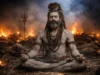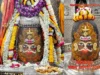

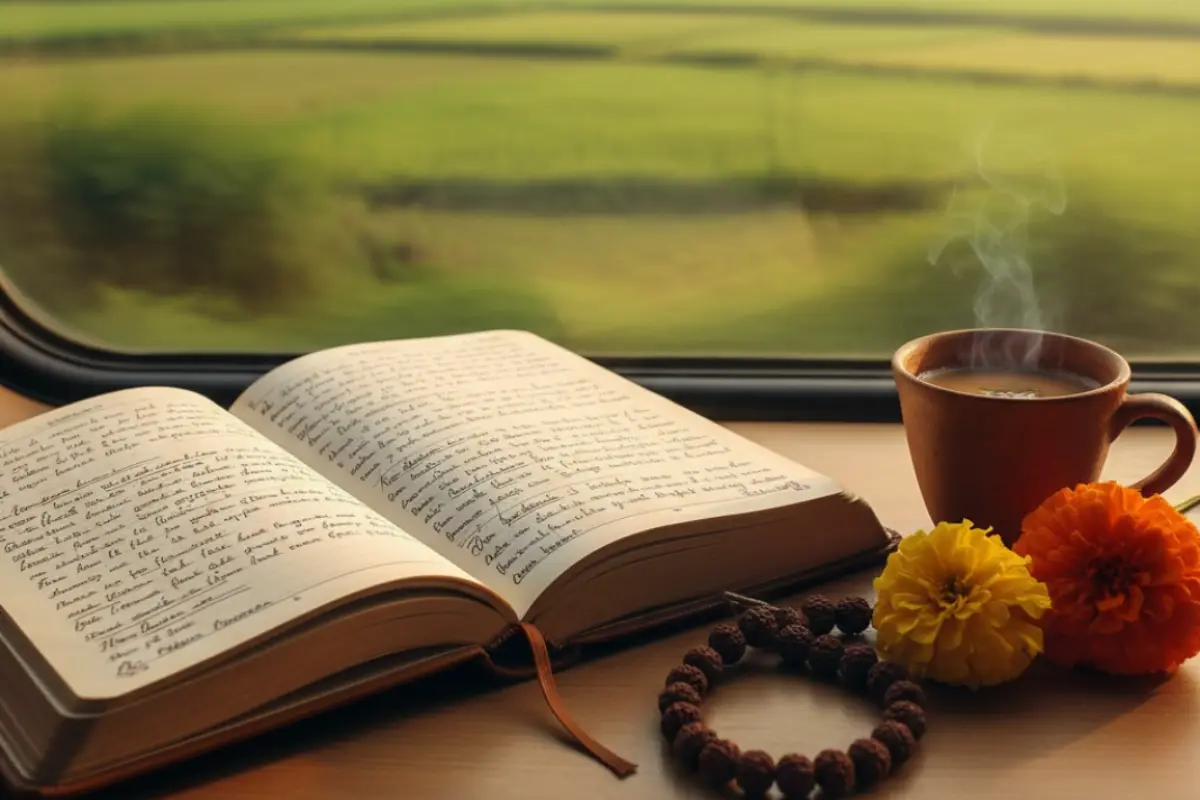

Pilgrimage Journeys are more than just travels to sacred places; they represent inner transformations that can reshape a person’s life. Ujjain, an ancient city in Madhya Pradesh, India, is revered as one of the seven Mokshapuris (cities of liberation) and also among the seven sacred cities (Sapta Puri) in Hindu tradition. Each journey of faith is often filled with challenges, unexpected grace, and moments of profound connection with the divine.
This space on MahakalTimes.com is dedicated to you—the devotee. It is a collection of real, personal stories from people who have undertaken these sacred Pilgrimage Journeys. These are tales of first-hand experiences, of small miracles, of hardships overcome, and of lives changed forever. May these stories inspire your faith and encourage you to embark on your own spiritual journey.
What Truly Defines Pilgrimage Journeys?
A pilgrimage begins in the heart long before the first step is taken. It is the intention (sankalpa) that turns travel into a sacred quest. The Sanskrit word Sankalpa means a resolution, a free will, or a determination, often defined as a solemn vow or heartfelt intention made with sincerity and determination. In Hindu ritual practices, a Sankalpa is a declaration of purpose, aligning one’s mind and heart with the divine objective of the ritual. It is the belief that stepping onto holy ground can purify the soul and bring one closer to God. Every story shared here, whether a grand trek to the Himalayas or a simple visit to a local temple, is a testament to this power of intention.
A Glimpse into the Journeys Within
Here is a preview of the kinds of powerful experiences that define a pilgrimage:
- The Overwhelming Power of a First Darshan: Many stories speak of the indescribable feeling of seeing a deity like Mahakal for the first time, especially during a powerful ritual like the Bhasma Aarti in Ujjain. It’s a moment where time stands still, and all worldly worries dissolve in an overwhelming feeling of divine presence.
- Finding Strength in Hardship: Some of the most profound experiences happen on the most difficult paths, like the arduous trek to Kedarnath. The Kedarnath trek is classified as moderately difficult, covering a distance of 16 km from Gaurikund to Kedarnath, with a significant altitude gain of 5,072 feet (1,546 meters). These are tales of physical exhaustion and mental doubt being conquered by an unshakeable faith that provides strength when none seems left.
- The Grace of Small Miracles: A pilgrimage is often filled with “small miracles”—a last-minute travel plan working out perfectly, finding help from a stranger at the exact moment it’s needed, or a prayer being answered in an unexpected way. These are the signs that assure a devotee they are being guided and protected.
Share Your Story With Us!
This is not just our collection; it is our collective story. The power of this space will grow with every journey shared by you. If you have a pilgrimage story—big or small, dramatic or quiet—we invite you to share it with our community of seekers.
- What we are looking for: Your personal experience at a Shiva temple, a moment of divine grace, a challenge you overcame through faith, or how a pilgrimage changed your perspective on life.
- How to submit: Please email your story to us at [email protected]. Tell us your story in your own words. You can choose to share your name or remain anonymous.
Your journey can become the inspiration for someone else’s.
A pilgrimage is a deeply personal and often life-altering experience. The real stories shared here, filled with faith, small miracles, and profound transformations, serve as a testament to the enduring power of these sacred Pilgrimage Journeys. They remind us that the divine is always present, guiding and protecting those who embark on a path of sincere devotion. May these narratives inspire you to listen to the call of your own heart and discover the spiritual depths that await you on your unique pilgrimage journey—much like the timeless practices described in Hindu pilgrimage traditions on Wikipedia.
Frequently Asked Questions About Sharing Your Journey
1: How can I share my own pilgrimage story on MahakalTimes.com?
We would be honored to hear your story. You can email your personal experience to us at [email protected]. Please write it in your own words, and let us know if you would like to use your name or remain anonymous. Our goal is to create a platform for devotees to inspire one another.
2: Are pilgrimage miracles always big, supernatural events?
Not at all. As our collection of stories shows, a miracle is often a small, perfectly timed act of grace. It can be a stranger’s timely help, a last-minute plan working out, or a sudden feeling of immense peace. These “small miracles” are often the most powerful personal signs that the divine is watching over you.
3: My pilgrimage wasn’t physically difficult like a trek. Does that make it less valuable?
Absolutely not. Every pilgrimage is unique. A physically challenging journey like the Kedarnath trek, which is classified as moderately difficult due to its distance and altitude gain, is one kind of test (tapasya). A journey into the heart of a chaotic city like Kashi (Varanasi), which is considered one of the holiest and oldest living cities in the world and a center for spiritual practices, is another. The value of a pilgrimage is not in the hardship, but in the sincerity of your intention (sankalpa) and the openness of your heart.
4: Why is a pilgrimage considered so transformative?
A pilgrimage is transformative because it takes you out of your routine and comfort zone, forcing you to rely on faith. It simplifies your life down to a single purpose for a few days. By witnessing sacred rituals, confronting ultimate truths (like at Manikarnika Ghat in Varanasi, which is one of the holiest cremation grounds where moksha is believed to be attained),and being surrounded by immense collective faith (a phenomenon also described in Britannica’s overview of pilgrimage), your own worldly anxieties and ego are often put into perspective, leading to a profound inner shift.
ner shift.
5: I want to go on a solo pilgrimage, but I’m afraid. What is the most important piece of advice?
Preparation is key to confidence. The most important advice is to plan your logistics for safety: travel during the day, pre-book your first night’s stay, and share your detailed itinerary with family. When you are prepared, you can relax and focus on the spiritual journey, allowing your faith to be your ultimate shield and guide.
To deepen your understanding of these fundamental principles, explore our comprehensive article on [The Shiva Tattva Explained]. Unravel more spiritual wisdom and connect with the timeless truths.