

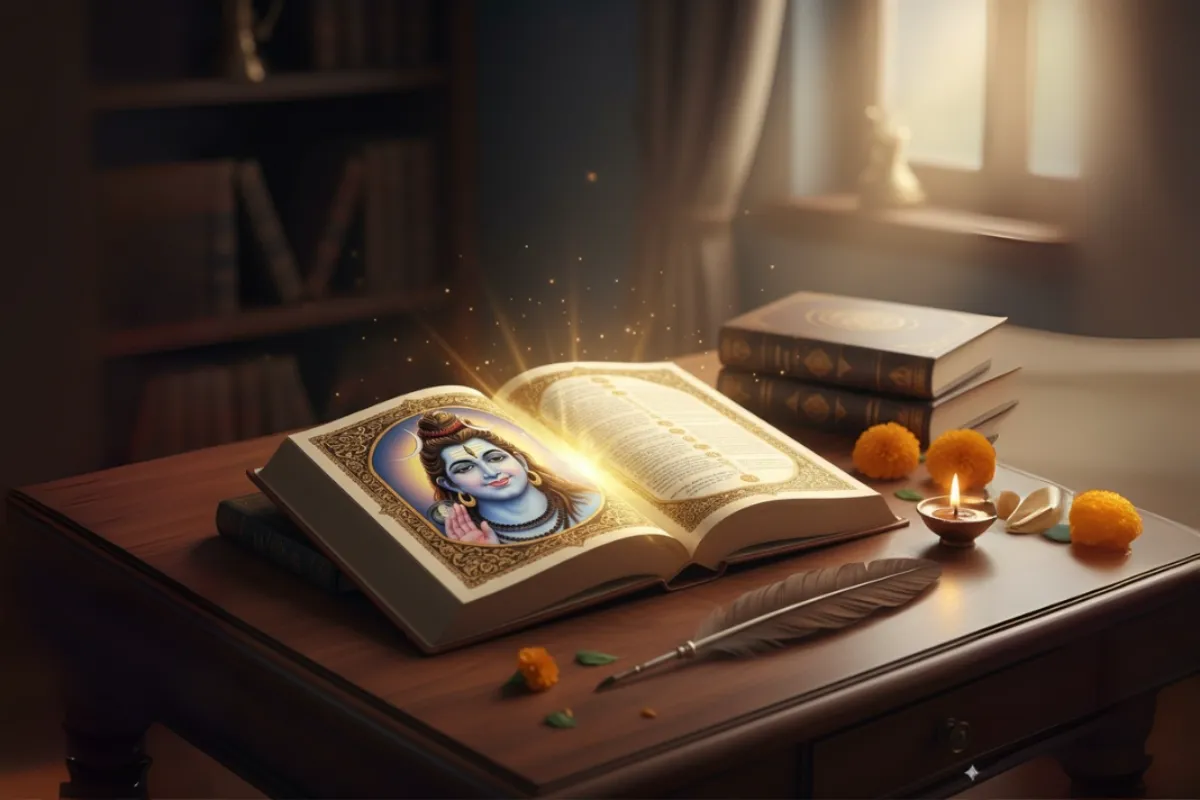

The Puranas and folk traditions of India are filled with enchanting stories of Lord Shiva’s Leelas—his divine plays. Puranas are an expansive genre of ancient Indian literature that emerged within the Hindu cultural milieu, holding a unique place outside core Vedic scriptures yet profoundly influencing religious practice, philosophy, and society. These are not just mythological tales; they are profound teaching stories, designed to illustrate the Lord’s infinite compassion, his unconventional wisdom, and his deep love for his devotees. These Miraculous Stories of Shiva reveal that he is not a distant, unapproachable god, but a living presence who actively engages with the world in miraculous and often surprising ways. This collection is an invitation to immerse yourself in these divine narratives and discover the simple, powerful truths they hold.
Understanding “Leela”: The Divine Play of Lord Shiva
The concept of Leela (or Shivaleela) is central to understanding the Hindu worldview, literally meaning “divine play” or “divine sport”. It suggests that all of creation is a divine, spontaneous play of the supreme consciousness. Shiva’s Leelas are the specific acts within this grand play where he interacts with his devotees. He may appear as a hunter, a fisherman, or a beggar, not to deceive, but to test, teach, and ultimately uplift the devotee by breaking their ego and showering them with grace. This concept emphasizes the spontaneous, joyful, and creative nature of God’s actions, which are not bound by karma or necessity.
A Glimpse into the Miraculous Tales
The stories of Shiva’s grace are endless, ranging from grand Puranic accounts to simple village folk tales. Here is a preview of the kinds of miracles we will explore:
- The Power of Unintentional Devotion: We will see in the story of the hunter, also known as Lubdhaka or Gurudruha in some Puranic accounts, how even an unknowing, unintentional act of worship on the night of Shivratri can grant the highest liberation. Lord Shiva, often called Bholenath, meaning “the easily pleased lord” or “lord of innocence,” is known for his benevolent character and for granting boons even to those who worship him without complex rituals, but with a clean heart. This story highlights the immense compassion of Shiva, who is pleased by the purity of the act itself.
- The Test of Unwavering Faith: In the tale of the young sage Upamanyu, who was the son of Sage Vyaghrapada, we will witness how a devotee’s pure, childlike, and unwavering faith can compel the Lord to manifest and grant an impossible boon. Upamanyu, desiring milk due to his family’s poverty, performed severe penance to Shiva and was eventually blessed with an ocean of milk and adopted as Shiva’s son, becoming a leader of the Ganas
- The Love Story of the Divine Couple: We will explore the charming folk tale of how Shiva took the form of a simple fisherman to win back the hand of his beloved consort, Parvati. This story recounts how Parvati was cursed to be born as a fisherwoman after losing concentration during Shiva’s discourse on the Vedas. Shiva, unable to bear the separation, descended to Earth disguised as a fisherman, eventually marrying her again and teaching a lesson on the eternal nature of their divine bond.
- Grace upon the Humble: Many stories, especially from the South Indian tradition of the Nayanar saints, show how Shiva bestows his greatest miracles not upon the rich and powerful, but upon the most humble and simple devotees, like weavers and farmers. The Nayanars – Britannica were a group of 63 Tamil poet-saints, fervent devotees of Lord Shiva, who lived between the 6th and 9th centuries CE and played a significant role in the Bhakti Movement in South India. They came from various backgrounds, including Brahmins, cultivators, and even those from lower castes, emphasizing devotion over rigid rituals.
Lessons from the Leelas: What These Stories Teach Us
Each of these stories is a beautiful pearl of wisdom. They teach us that:
- The Lord’s grace is not transactional; it is a response to pure, sincere emotion.
- Faith has the power to overcome any obstacle.
- Humility and devotion are the qualities most beloved by the divine.
- Shiva can appear in any form, at any time, to help his devotees.
Join us as we narrate these beautiful, faith-inspiring stories, each one a window into the compassionate and miraculous heart of Mahadev.
The Puranic and folk narratives of Lord Shiva’s divine leelas offer an invaluable glimpse into the compassionate heart of the Mahadev. These Miraculous Stories of Shiva, whether of an unwitting hunter’s liberation, a young sage’s unwavering faith, the divine couple’s enchanting reunion, or the grace bestowed upon the humble, are profound teachings. They inspire us to cultivate sincerity, faith, and humility, reminding us that Shiva’s presence is ever-active, guiding and uplifting his devotees in countless surprising ways. Immersing oneself in these tales is not merely an act of reading, but an invitation to deepen one’s own spiritual journey and experience the boundless grace of the Lord.
Frequently Asked Questions about Shiva’s Stories
1: What does “Leela” mean in the context of these stories?
Leela is a Sanskrit word that means “divine play” or “divine sport”. It refers to the concept that the actions of God are not bound by the laws of karma or necessity, but are a spontaneous, joyful, and creative play. Shiva’s leelas are the stories of his divine interventions, which are meant to teach, test, and bestow grace upon his devotees. The concept of Shivaleela reflects themes of creation, joy, and the holistic nature of existence in Hindu culture.For more on the Puranas and their historical role, see this detailed overview on Britannica.
2: In the story of the hunter, why was Shiva pleased with an unintentional act?
This story highlights Shiva’s immense compassion and his title of Bholenath (the innocent Lord). It teaches that the divine recognizes the purity of an act, even if the intention is not consciously devotional. The hunter unknowingly performed all the sacred rituals on the most sacred night of Shivratri, such as offering Bilva leaves and water to a Shiva Lingam, and observing a fast due to hunger. Shiva, in his grace, chose to see the act itself as an offering and blessed the hunter for it, granting him liberation from sins and eventually a blessed rebirth.
3: What is the main lesson from the story of Upamanyu?
The story of Upamanyu teaches the power of pure, unwavering, and single-minded faith. It shows that when a desire, even a simple one like wanting milk, is channeled into absolute devotion to the divine, that faith can move the Lord to grant not just the material object, but the highest spiritual boons as well, including wisdom and blessings.
4: Who were the Nayanars, as mentioned in the weaver’s story?
The Nayanars were a group of 63 Tamil poet-saints from South India who lived between the 6th and 9th centuries CE. They were fervent devotees of Lord Shiva and played a vital role in the Bhakti movement, promoting Shaivism through their devotional poetry and songs. They came from all walks of life—kings, priests, farmers, and weavers—and emphasized direct devotion to Shiva over strict rituals or caste distinctions. Their stories, compiled in works like the Tirumurai and Periya Puranam, are a cornerstone of Shaivism in South India.
5: Are there still miracles happening today?
Yes, absolutely. A miracle is not always a grand, public spectacle. It is often a quiet, personal experience of grace, protection, or an answered prayer that reassures a devotee of the divine’s constant, listening presence in their lives. The core message of Shiva’s leelas—his compassion and accessibility to sincere devotees—remains timeless.
To delve deeper into the vast and complex world of Hindu spiritual traditions, explore our guide on [The Esoteric Secrets of Tantra].