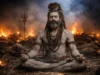



In the modern lexicon, the word “Tantra” is one of the most misunderstood and misused terms from any spiritual tradition. It is often incorrectly associated with sensationalized rituals or hedonistic practices. This guide aims to clear the fog of misconception and introduce you to the profound, powerful, and deeply philosophical world of authentic Shaiva Tantra, a sacred branch of Tantra rooted in the worship of Lord Shiva and the union of consciousness and energy.
Far from being a fringe practice, Shaiva Tantra represents a sophisticated and systematic path to spiritual liberation, viewing the universe itself as a divine interplay of consciousness (Shiva) and energy (Shakti).
What is “Tantra”? (Unraveling the True Meaning of the Word)
The word Tantra is derived from two Sanskrit roots: tanoti, meaning “to expand” or “to weave,” and trayati, meaning “to liberate” or “to free”. Therefore, Tantra is defined as “the means to expand one’s experience and comprehension beyond the material in order to attain Self liberation or realization”. It is the science of expanding one’s awareness and extending the frontiers of the mind beyond the mind in an effort to attain spiritual knowledge and liberation.
Tantra is a practical, experiential path that uses specific tools and techniques, including hatha yoga, pranayama, mudras, chakras, rituals, Kundalini yoga, nada yoga, mantra, yantra, mandala, and astrology. The sacred texts of Tantra are primarily known as the Agamas. The Agamas are a collection of several Tantric literature and scriptures of Hindu schools, with the term “Tantra” often used specifically to refer to Shakta Agamas.
The Core Philosophy: Shiva and Shakti, The Two-in-One Reality
The entire philosophy of Shaiva Tantra rests on the principle of the inseparable union of Shiva and Shakti. In Tantric cosmology, the whole universe is perceived as being created, penetrated, and sustained by these two fundamental forces, which are permanently in a perfect, indestructible union.
- Shiva: Represents pure, static, formless consciousness. He is the silent, unchanging witness, the embodiment of pure consciousness, and the timeless awareness that underlies all of creation. From a metaphysical point of view, Shiva is the masculine principle, representing the abiding aspect of God.
- Shakti: Represents the dynamic, creative, and active energy of that consciousness. She is the divine feminine energy, the dynamic force of the universe, and the motivating force behind all action and existence in the material universe.
In Tantra, one cannot exist without the other; they are two aspects of the same single reality. Shiva is the potential, and Shakti is the manifestation, representing the interplay between stillness and motion. The goal of the Tantric practitioner (sadhak) is to realize this divine union within their own body and mind.
Tantra vs. Veda: What’s the Difference in Spiritual Approach?
Both the Vedic and Tantric paths share the ultimate goal of liberation (moksha), but they often take different approaches.
- The Vedic path: This path is often seen as more orthodox, emphasizing elaborate rituals and sacrifices to appease the gods, social duties, and a gradual path of renunciation. The Vedas emphasize the “Jyotirmaya Purusha” – the being or person made of light. Vedic traditions also historically instituted the caste system and were less accessible to common people due to being composed in Sanskrit and traditionally transmitted orally by Brahmins.
- The Tantric path: While not rejecting the Vedas, Tantra is often more direct, radical, and experiential. It emphasizes personal transformation and direct experience of the divine. Tantra does not demand that one renounce the world; rather, it teaches that one uses the energies of the world (including the body and senses) as tools for liberation. Tantras emphasize the ‘Shaktimaya Devi’ – the Goddess made of energy. Tantric teachings have historically been against the caste system, making them more inclusive. The knowledge of Tantra was often revealed by Shiva and Shakti to their disciples.
Ultimately, both systems take different approaches but merge into one ultimate reality – Pure Consciousness.
The Two Main Paths: Dakshinachara and Vamachara
Within Tantra, there are two primary approaches or “margas” for attaining higher states of consciousness and ultimately moksha: Dakshinachara (the “Right-Hand Path”) and Vamachara (the “Left-Hand Path”).
- Dakshinachara (The “Right-Hand Path”): This path is more conservative and generally adheres to established social and Vedic norms. It uses purely symbolic and meditative practices and is considered a sattvic (pure) path suitable for most practitioners. Dakshinachara practices often involve more acceptable forms of worship, prayers, and rituals.
- Vamachara (The Misunderstood “Left-Hand Path”): This is a more radical and challenging path, which involves transgressing orthodox norms and using “forbidden” elements, collectively known as Panchamakara (the Five Ms: madya (alcohol), māṃsa (meat), matsya (fish), mudrā (grain), and maithuna (sexual intercourse)). This path is suitable only for advanced aspirants under the direct guidance of a powerful Guru, as it aims to directly confront and transcend human conditioning and aversions. Vamachara practices are meant to transform the tamas guna (decaying aspect) to understand the Divine absolute, which is beyond all three gunas.
Is Tantra Dangerous? The Critical Role of the Guru
Because Tantra deals directly with the powerful primal energy known as Kundalini, it is considered a potentially dangerous path to walk without an experienced guide. Kundalini energy, if awakened improperly or prematurely, can lead to severe physical and psychological imbalances. Reported negative effects of an uncontrolled Kundalini awakening can include muscle spasms, violent tremors, heart palpitations, emotional turmoil, mental instability, hallucinations, confusion, insomnia, and chronic pain.
A genuine Guru in a Tantric lineage is not just a teacher but a spiritual master who guides the disciple, protects them from pitfalls, and transmits the necessary spiritual energy (shaktipat) through an initiation ceremony (diksha). Shaktipat is the transfer of divine energy from the Guru to the disciple, which can awaken the dormant Kundalini. This transmission can occur through touch, sight, divine word (mantra), or even thought. Practicing Tantra from books alone is strongly discouraged and considered perilous, as it lacks the essential diksha and direct guidance from a qualified Guru.
The Essential Tools of Tantra: Yantra, Mantra, and Mandala
Tantra is a practical science that uses specific tools to focus the mind and channel energy.
- Mantra: Sacred sound vibrations, often in the form of Sanskrit words, that invoke specific divine energies and hold immense power when chanted or recited. Mantras are believed to purify the mind, reduce stress, and enhance spiritual growth.
- Yantra: Geometric diagrams or mystical patterns that are the visual representation of a mantra’s energy field or divine powers. Yantras are used for deity worship, as an aid in meditation, and for benefits believed to be given by their occult powers. They often include specific geometric shapes like triangles, squares, circles, and lotus petals.
- Mandala: A complex circular diagram representing the entire cosmos, used for advanced meditation. Mandalas are believed to aid in spiritual transformation and self-realization by providing a visual tool for concentration and introspection.
The word “Tantra,” often clouded by modern misconceptions, reveals itself upon deeper understanding as a profound and systematic spiritual science. Shaiva Tantra, an authentic stream of this tradition, is a path of expansion and liberation rooted in the inseparable union of Shiva (consciousness) and Shakti (energy). It offers a direct, experiential approach to realizing the divine within, utilizing powerful tools like mantras, yantras, and mandalas.
While distinct from the Vedic path in its methodology, Shaiva Tantra shares the ultimate goal of spiritual liberation. The journey, however, necessitates the critical guidance of a qualified Guru to safely navigate the potent energies of Kundalini and transcend the illusions of duality. By embracing the true essence of Shaiva Tantra, seekers can unlock profound wisdom and achieve an enlightened state of being.
Common Questions about Shaiva Tantra
1: Is Tantra a form of black magic?
No, authentic Tantra is the opposite of black magic. Tantra is a sophisticated spiritual path for self-realization and the expansion of consciousness, with the ultimate goal of moksha (liberation). Black magic, on the other hand, involves using rituals and invoking negative energies for selfish, harmful, or manipulative purposes, which creates negative karma and leads to spiritual bondage. While some individuals may misuse Tantric knowledge for selfish ends, these actions do not represent authentic Tantric teachings.
2: Does one have to follow the controversial “Left-Hand Path” (Vamachara) to be a Tantric?
Absolutely not. The vast majority of Tantric practitioners, both past and present, follow the Dakshinachara or “Right-Hand Path,” which aligns with societal norms and uses purely symbolic and meditative practices. The Vamachara is a highly specialized and dangerous path meant for a very small number of advanced aspirants under the direct, watchful guidance of a qualified Guru, as it involves confronting taboos directly.
3: Can I learn Tantra from a book or an online course?
While books and courses can provide philosophical knowledge and context, you cannot “practice” authentic Tantra effectively or safely without a living Guru. The core of Tantric practice is Diksha (initiation), which involves a direct transfer of spiritual energy (shaktipat) from the Guru to the disciple. This is an experiential transmission that cannot be replicated through text or video. A Guru acts as a catalyst to awaken the dormant Kundalini.
4: Is Kundalini awakening dangerous?
Awakening the Kundalini energy can indeed be dangerous if done improperly, prematurely, or without the guidance of a qualified Guru. It is an immensely powerful force, and its uncontrolled awakening can lead to severe physical, emotional, and psychological imbalances, including muscle spasms, mental instability, and intense fear. The Tantric path, under proper guidance, provides a systematic, time-tested methodology to awaken and guide this energy safely.
5: What is the main difference between the Vedic and Tantric paths?
Both paths lead to the same ultimate reality of Pure Consciousness, but their primary difference lies in their approach and emphasis. The Vedic path is often seen as more renunciatory, emphasizing detachment from the world and external rituals. The Tantric path is more transformational and inclusive, teaching that one should not reject the world or the body’s energies, but skillfully use them as tools to achieve spiritual liberation through direct experience and inner realization.
To delve deeper into the vast and complex world of Hindu spiritual traditions, explore our guide on The Esoteric Secrets of Tantra .
For the latest updates on Ancient History, cultural insights, spiritual journeys, and other global events, visit mahakaltimes.com first.