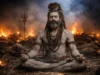



When we speak of the Puranas, we typically refer to the 18 Mahapuranas (Great Puranas)—the grand, epic narratives like the Bhagavata, Shiva, and Vishnu Puranas. Puranas are a vast genre of Indian literature, primarily composed in Sanskrit, that emerged within the Hindu cultural milieu, profoundly influencing religious practice, philosophy, and society. However, this is only the surface of a vast literary ocean. There exists a parallel body of literature known as the Upapuranas (Minor or Secondary Puranas). These texts, though often called “minor,” are treasure troves of unique stories, rare regional legends, and specific philosophical insights that are not found in the more famous Mahapuranas.
In many ways, the Upapuranas serve as Hidden Shiva Scriptures—offering glimpses into cosmic mysteries, esoteric traditions, and lesser-known spiritual practices that lie beyond the mainstream narratives. This guide is your introduction to this hidden world, a realm of cosmic narratives and untold tales waiting to be rediscovered.
What Are the Upapuranas (The “Minor” Puranas)?
The Upapuranas are a genre of Hindu religious texts consisting of many compilations differentiated from the Mahapuranas by styling them as secondary Puranas using the prefix ‘Upa’ (secondary). While the Mahapuranas focus on the grand, overarching themes of the cosmos, the Upapuranas often delve into more specific subjects, such as:
- Detailed legends of particular deities and their regional forms.
- Elaborate descriptions of specific Tirthas (pilgrimage sites).
- Unique rituals and vratas (vows) associated with a sect.
- Untold stories that fill in the narrative gaps left by the major Puranic accounts.
There are traditionally said to be 18 Upapuranas, though the names on various lists seldom agree with one another. In fact, by examining all Sanskrit texts that mention their names, the actual number of Upapuranas is found to be near a hundred, including those mentioned in different lists. Some of the important Upapuranas that contain gems for Shiva devotees include the Sanat-kumara, Narasimha, Siva-rahasya, Kalika, Samba, Nandi, Surya, Parasara, Vasishtha, Devi-Bhagavata, Ganesha, and Mudgala Puranas.
Why Were These Scriptures Considered “Hidden” or “Forgotten”?
These texts were not “forgotten” in the sense of being lost, but they became less mainstream compared to the grand, pan-Indian narratives of the Mahapuranas. Their focus was often more specific to a particular sect (like the Ganesha Purana for the Ganapatya sect) or a region.
This made them incredibly important to certain communities but less universally cited across the subcontinent than, for example, the Srimad Bhagavatam. Additionally, unlike the Mahapuranas, most Upapuranas have been able to preserve their older materials along with their distinctive sectarian character. Today, they represent a hidden library of lore for the curious seeker.
Key Hidden Scriptures and Their Treasures for Shiva Devotees
- Linga Purana: This is one of the eighteen Mahapuranas, primarily dedicated to the worship and glorification of Lord Shiva. It is a key text for Shaivism, offering a comprehensive collection of stories, teachings, and rituals associated with Shiva. Its detailed cosmology and stories of Shiva’s 108 names and forms are often overlooked by the general audience. It contains profound esoteric teachings on the metaphysical significance of the Lingam, portraying it as the cosmic pillar of energy that represents the infinite and transcendent essence of Shiva. It also includes a unique story about why the Lingam is worshipped.
- Markandeya Purana: While famous for containing the Devi Mahatmyam (the story of Goddess Durga), the rest of this Purana contains fascinating dialogues on dharma, karma, and yoga. It also holds the powerful story of how Shiva saved the sage Markandeya from Yama, the god of death. Markandeya’s unwavering devotion to Shiva protected him, and Shiva appeared as Kalantaka (Conqueror of Time) to save him, granting him immortality.
- Shiva Purana (Untold Tales): Even within the well-known Shiva Purana, there are dozens of incredible stories that are rarely retold, such as the tale of Jalandhara, the powerful Asura born from the energy of Shiva’s own third eye thrown into the ocean. Jalandhara, meaning “he who holds water,” was raised by the ocean and later by Shukracharya. His story explores themes of divine wrath, ego, and cosmic justice.
- Brahma Vaivarta Purana: Though primarily focused on Krishna, this Purana contains a unique and complex backstory on the origin of the River Ganga and her relationship with Lord Shiva.
A Preview of the Untold Stories We Will Uncover
In this series, we will delve deep into these hidden scriptures to bring you tales you have likely never heard before, including:
- The dramatic curse that led to the primary worship of the Shiva Lingam. According to the Padma Purana, Sage Bhrigu cursed Shiva to be worshipped in Linga form after being denied entry to Shiva’s abode, as Shiva was engaged with Parvati.
- The story of the Asura who was part-Shiva and nearly invincible. This refers to Jalandhara, who was born from Shiva’s energy and was blessed with invincibility as long as his wife Vrinda remained chaste.
- The definitive story of how Shiva conquered Death itself, as seen in the legend of Markandeya, where Shiva vanquished Yama to save his devotee.
- The tale of why Lord Brahma originally had five heads, and how Shiva, in his fierce Bhairava form, cut off one of them due to Brahma’s arrogance and obsession with his creation, Saraswati.
This guide is an introduction. Let us now begin our journey into these forgotten texts, one story at a time.
Beyond the well-trodden paths of the 18 Mahapuranas lies a vast and rich landscape of spiritual wisdom within the Upapuranas—the Hidden Shiva Scriptures. These texts offer unique insights into the profound legends, regional traditions, and philosophical depths of Shaivism, revealing Lord Shiva’s multifaceted nature and his boundless grace towards his devotees.
From the cosmological significance of the Lingam to tales of divine intervention against death and ego, these “minor” Puranas are anything but. They invite the curious seeker on an adventurous quest to rediscover untold stories and connect more intimately with the divine essence of Mahadev.To broaden this journey further, you may also explore Oxford Reference’s entry on Puranas for a scholarly perspective on their origins and significance.
Frequently Asked Questions about the Hidden Scriptures
1: What is the difference between a Mahapurana and an Upapurana?
The 18 Mahapuranas (Great Puranas) are considered the primary Puranic texts, covering grand, pan-Indian cosmic themes. The 18 Upapuranas (Minor Puranas) are stylistically similar but often focus on more specific regional legends, deities, rituals, or fill in the narrative gaps of the major texts. Though called “minor,” they are invaluable sources of unique stories and traditions.
2: In the story of Bhrigu, why was Vishnu considered the greatest?
The story of Bhrigu’s test of the Trinity appears in various Puranas. Sage Bhrigu undertook to determine who among Brahma, Vishnu, and Shiva was the greatest. After observing Brahma’s pride and Shiva’s wrath, he visited Vishnu, who was asleep. Bhrigu kicked Vishnu on his chest, but Vishnu, instead of reacting with anger, humbly inquired if Bhrigu’s foot was hurt. This act of extreme humility and compassion, demonstrating complete mastery over his ego, led Bhrigu to declare Vishnu the greatest, embodying sattva guna (purity and goodness).For a deeper exploration of this theme, you can read the Encyclopaedia Britannica’s overview of Vishnu which offers further context on his role in Hindu philosophy.
3: Was Jalandhara, the son of Shiva’s third eye, truly evil?
Jalandhara was not born evil; he was born of immense divine energy from Shiva’s third eye. His downfall came from his ahankara (ego) and arrogance, which led him to misuse his power and challenge the cosmic order, including lusting after Parvati. His story is a classic Puranic lesson on how even a being of divine origin can become an Asura (a force of chaos) through pride and unrighteousness.
4: Did Shiva actually kill Yama in the story of Markandeya?
In most tellings of the story, Shiva does not permanently kill Yama. When Yama threw his noose around Markandeya, it also encircled the Shiva Lingam, provoking Shiva’s wrath. Shiva emerged from the Lingam in his fierce form (Kalantaka) and defeated Yama, even striking him to save his devotee. Yama is later revived at the request of other gods to continue his cosmic duties, but Markandeya is blessed with immortality. This demonstrates that the laws of death and destiny are subordinate to the power of supreme devotion and divine will.
5: Why is Brahma not widely worshipped if he is the Creator?
The story of Shiva, as Bhairava, cutting off Brahma’s fifth head is a primary Puranic reason given. This act, done to punish Brahma for his lie and arrogance (specifically, lusting after his own creation, Saraswati, and falsely claiming supremacy over Shiva), led to a curse that his worship would be greatly diminished on Earth. It serves as a powerful reminder of the spiritual dangers of ego and falsehood. Brahma is still worshipped in very few places, most famously in Pushkar, Rajasthan.
To delve deeper into the vast and complex world of Hindu spiritual traditions, explore our guide on [The Esoteric Secrets of Tantra].